What to Ask a Retirement Community About Parking
Ask where you'll park day to day, where guests park, and whether the spot is covered, because all three affect your comfort and your insurance.
Ask about assigned spots, guest parking, and cover
Ask the community three things: where your own car will be parked each night, where visitors are supposed to park, and whether your spot is covered or in a garage. Get the answer in writing if you can, since what the sales staff tells you during a tour sometimes differs from what's in the lease or the community rules.
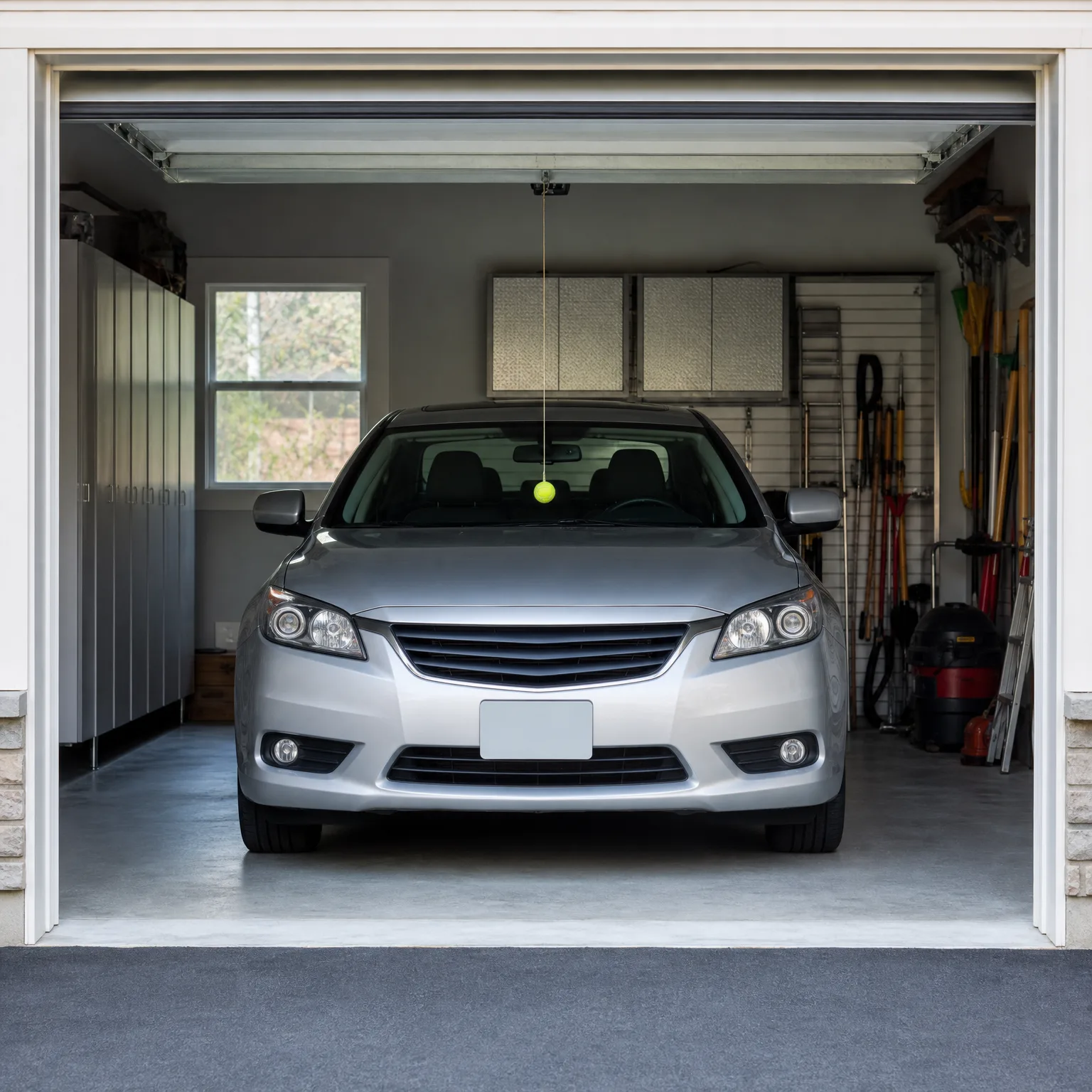
This matters for more than convenience. Where your car sits overnight is one of the things your insurer asks about, and a garage or covered spot can mean a lower risk of weather damage or theft than an open lot. If you're moving from a house with a garage to a community with open parking, mention that to your insurer when you update your address.
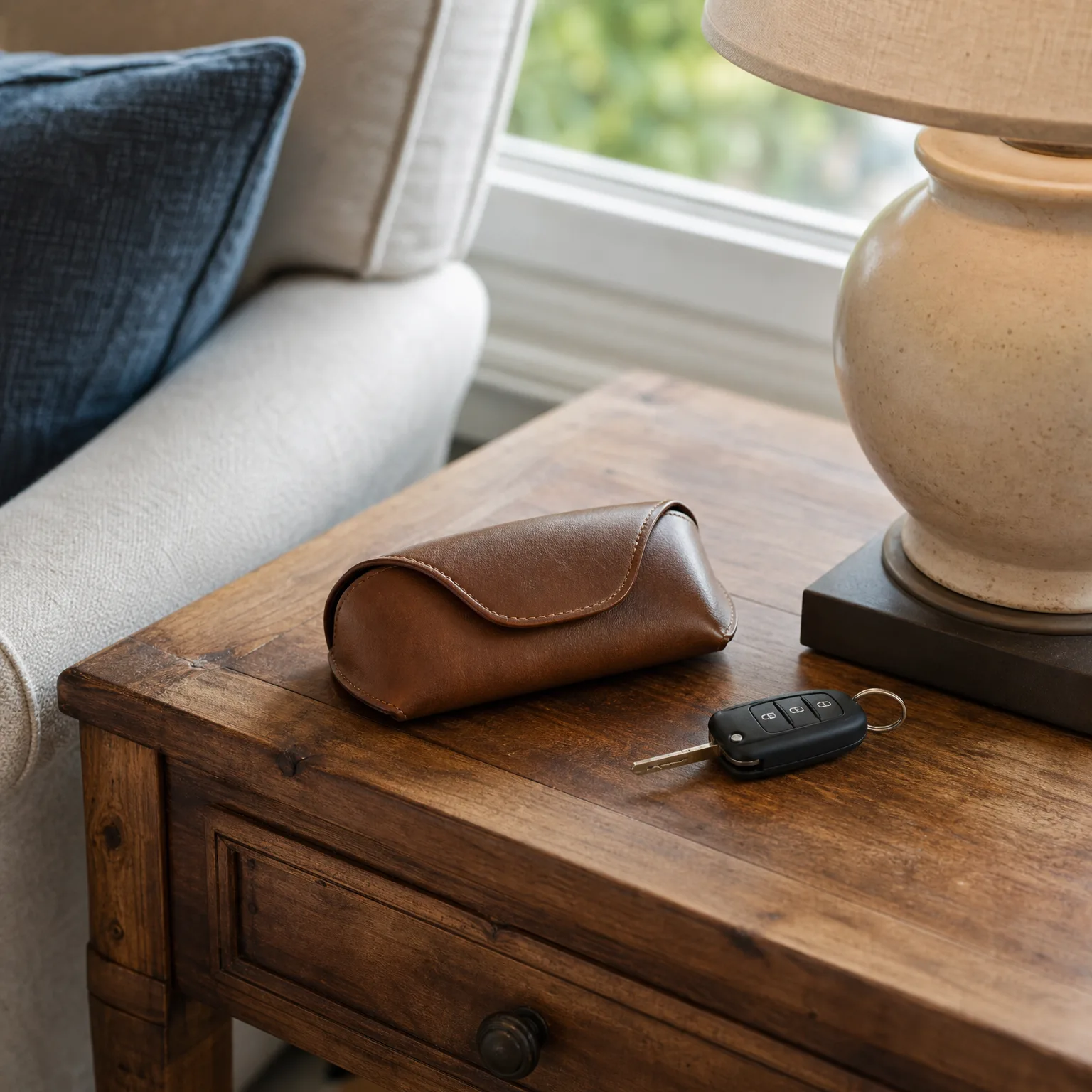
Where the car sits overnight changes your coverage picture
Insurers ask where a car is garaged because it affects the chances of theft, vandalism, and weather damage. An open lot, even a well-lit one, isn't the same as a covered space or an attached garage. If the community only offers open parking, ask whether there's a waitlist for covered spots, since those tend to fill first and some communities add people to a list rather than offer them on move-in day.
Ask specifically whether your space is assigned to your unit or whether parking is first-come. Some communities rotate spots or only guarantee one spot per unit even if your household has two cars. If a second vehicle is involved, for a spouse or a visiting family member, ask how that's handled before you sign anything.
Once you know where the car will actually be kept, call your insurer and tell them. Your rate is partly based on where you say the car is garaged, and giving the wrong address or type of parking can cause problems later if you ever file a claim.
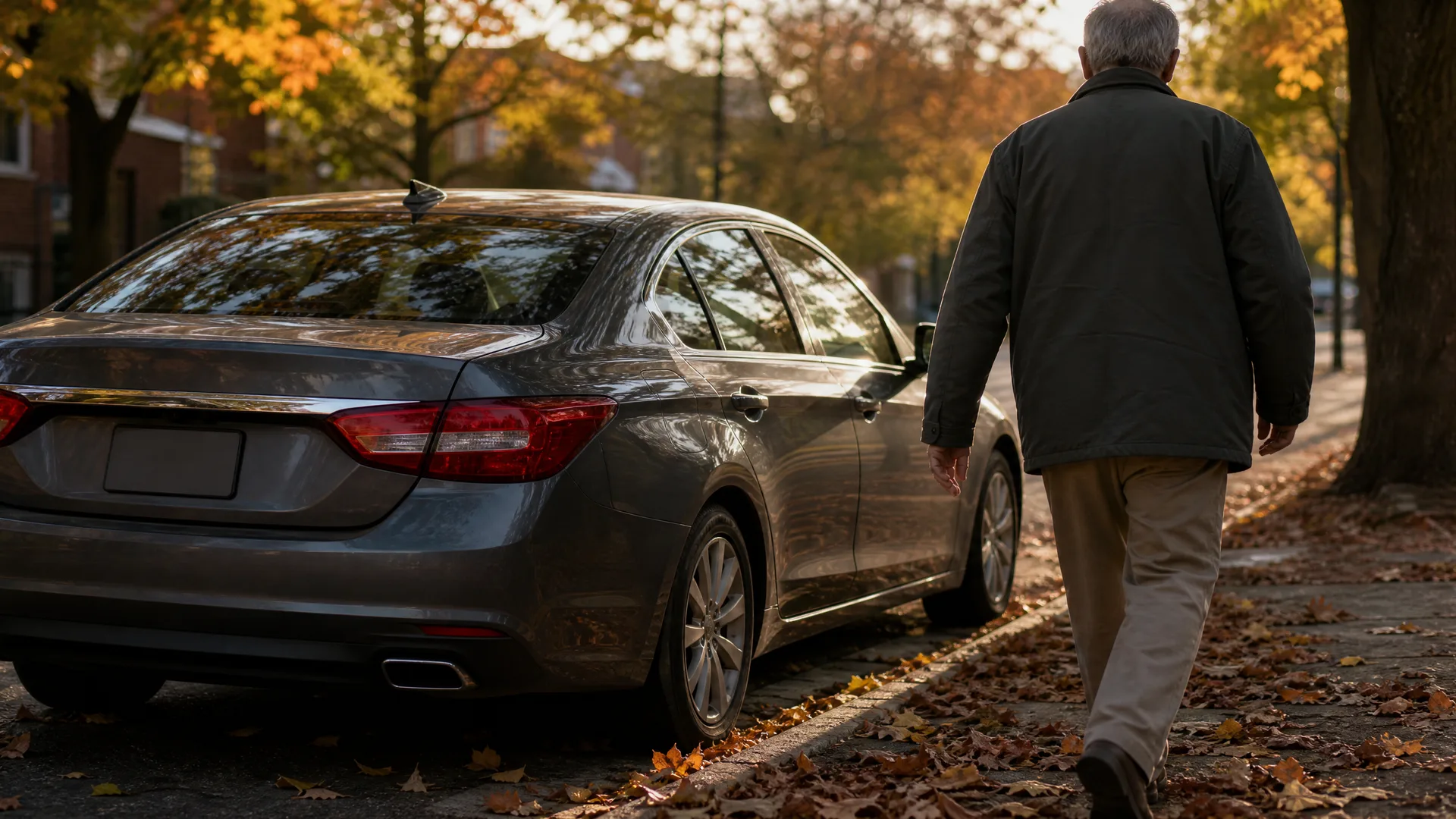
Guest and visitor parking is its own question
Ask where someone picking you up or visiting should park, and whether there's a time limit on guest spots. Some communities tow after a certain number of hours, and a visitor who doesn't know the rule can come back to a ticket or a tow notice on your behalf.
Ask what happens if you have an accident in the parking lot itself, whether backing out of a spot or a fender bender near the entrance. Fault still gets determined the same way it would on any street, but ask whether the community has cameras covering the lot, since that can help if there's ever a dispute about what happened.
If family will be driving you to medical appointments or visiting often, ask whether the community has a separate lot for that, or whether they're expected to use the same spots as residents. Knowing this before you move in saves an awkward conversation later.
Questions people ask about this
Does moving to a retirement community affect my car insurance rate?
It can, because where you garage the car is one of the things insurers use to set your rate. Call your insurer when you move and tell them the new address and the type of parking, whether that's a covered spot, a garage, or an open lot. The change could raise or lower your premium depending on what you're moving from.
Do I need to tell my insurer if I stop driving but keep my car at a retirement community?
Yes, tell your insurer if you're driving less or not at all, since some insurers offer a lower rate for low mileage or for a car that's parked most of the time. Ask specifically what proof they want, such as an odometer reading, and how often you need to provide it.
What if the retirement community doesn't allow my type of vehicle?
Some communities limit vehicle size, commercial vehicles, or the number of cars per unit, so ask for the parking rules in writing before you sign a lease. If you have a larger vehicle or a second car, confirm there's a place for it, since finding out after you've moved in is much harder to fix.
Should I get a dash cam if the parking lot doesn't have good lighting or cameras?
A dash cam can help establish what happened if there's a dispute, but check your insurer's position on it first, since some offer a small discount for having one and others don't factor it in at all. It's worth asking directly rather than assuming.
Can I keep my car registered at my old address if I'm only staying at the community part of the year?
This depends on your state's rules about residency and vehicle registration, so check with your state's motor vehicle agency before you decide. Insurers also want to know where the car is actually kept most of the year, not just where it's registered, so be ready to explain both if asked.
Once you know where the car will be parked, see what that changes about your coverage.
Before you sign a lease, get the parking rules in writing, including where your car and any guest vehicles will park and whether the spot is covered. Call your current insurer with the new address and parking details and ask how it affects your premium. If you're driving less than before, ask about a low mileage discount and what proof they need. If a second car or a frequent visitor is part of the picture, ask the community how that's handled before move-in day, not after.