Moving Into a Retirement Community
Your rate can go up or down depending on where the community is and how much you drive once you're there.
Yes, tell your insurer when you move
Your car insurance is priced partly on where the car is kept overnight. When you move into a retirement community, that address changes, and your insurer needs to know. Not telling them can affect a claim later, even if nothing else about your driving changes.
Whether your premium goes up or down from there depends on the community's location and how your driving changes once you're settled. A community in a quieter area with less traffic can lower your rate. One in a denser area or a different state can raise it. The only way to know is to give your insurer the new address and ask.

Where the community is located
Your rate is tied to the specific address where the car sits most nights, not just the city or zip code in general terms. Moving across town can change your rate even if you're still in the same state with the same insurer.
If the community is in an area with less traffic, fewer accidents, or lower rates of theft and vandalism, that can bring your premium down. If it's in a busier area, or one with higher repair costs, it can push the other way.
If you're moving to a different state, more than your address changes. States set their own minimum coverage requirements and rules about what insurers can consider. Your current policy may not even be valid once you've established residency elsewhere. Check with your insurer about what happens to your policy across state lines, and ask when you're expected to switch to a policy in the new state.
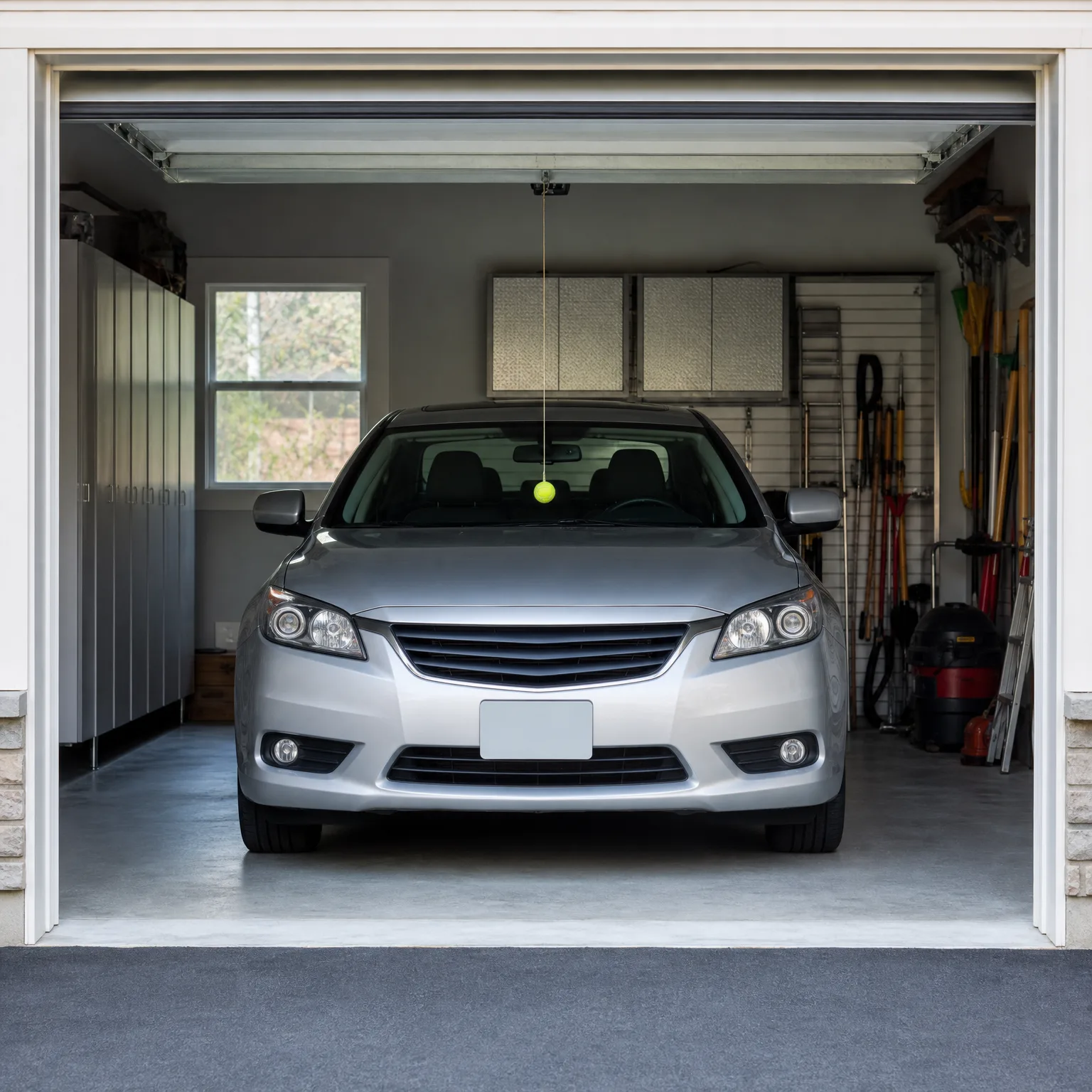
Some retirement communities also have gated entry, reserved parking, or other security features that insurers factor in. Mention these when you call, since they aren't always visible from the address alone.
How much you actually drive
Many retirement communities put daily errands, dining, and social activities within walking distance or a short shuttle ride. If you end up driving less than you did before, that's worth reporting, since annual mileage is one of the things insurers use to set your rate.
Some insurers offer lower rates for drivers who log fewer miles a year. If your new routine means the car mostly sits in the garage, ask your insurer whether they track mileage and whether a lower estimate would change your premium.
On the other hand, if you're moving farther from family, a doctor you've used for years, or other regular destinations, you might drive more than before. Be honest about this when you report your new mileage estimate, since underestimating it can cause problems if you ever file a claim.
If you stop driving altogether after the move, don't let the policy lapse without talking to your insurer first. There are usually other ways to adjust or pause coverage that protect you better than simply letting it expire.
Questions people ask about this
Does my car insurance change if I move to a different state for retirement?
Yes, moving to a different state usually means switching to a policy written for that state. States set their own coverage minimums and rules, so your current policy may not carry over as is. Contact your insurer as soon as you know the move is happening to find out what the timeline looks like.
Will my insurance go up if I move into a 55 and older community?
It depends on the location and your driving habits there, not on the community's age restriction itself. Insurers price based on where the car is garaged and how it's driven, not on the demographics of the neighborhood. Ask your insurer for a quote at the new address before you move so there are no surprises.
Do I need to update my insurance if I'm only moving temporarily to try out a retirement community?
Tell your insurer even for a temporary move, since they base your rate on where the car is kept most nights. A short trial stay may not require a full policy change, but your insurer can tell you what counts as temporary versus permanent for their purposes. Ask before you go rather than after something happens.
Can I keep my current insurer after moving into a retirement community?
In many cases yes, if you're staying in the same state, since the insurer simply updates your address and recalculates your rate. If you're moving to a different state, check whether your insurer is licensed there and sells policies in that state. If not, you'll need to shop for a new policy before the move.
Should I compare insurance quotes before or after moving into a retirement community?
Before, if you can, since this gives you time to compare rates at the new address without pressure. Ask your current insurer what the new address would cost and get quotes from other companies for the same address. That way you can switch before the move if another option is better, instead of scrambling afterward.
See how a retirement community address might change what you pay before you commit to the move.

Get the exact address of the retirement community before you call anyone. Ask your current insurer for a quote at that address, and tell them how your driving will likely change, whether that means less mileage or a longer commute to familiar places. If the move crosses state lines, ask directly whether your insurer operates there and what the deadline is for switching to a new policy. While you're at it, ask about any discounts tied to the community itself, like gated access or reserved parking. Then compare that quote against a couple of other insurers for the same address before you sign anything or let your current policy lapse.