Should I Ship or Drive My Car When I Move
For most long moves shipping costs more upfront but drive it if the trip itself is part of why you're going.
It depends on the distance and what the drive would cost you in time and wear
For a short or medium move, driving the car yourself is usually the simpler choice. You already have the insurance in place, you know the car, and the trip takes a day or two. For a long move, especially coast to coast, shipping starts to make more sense once you add up fuel, motels, meals, and the wear on a car that then has to last you for years after.
There isn't one right answer because it depends on things specific to you. How much vacation time you have. Whether the car is new enough that extra miles matter to its resale value. Whether you'd be driving through weather or terrain you'd rather not handle alone. Those are the things that actually decide it, more than any general rule.
Your auto insurance and what it covers during the move
If you drive the car yourself, your current policy covers the trip the same way it covers any other drive, as long as you're still within your coverage territory and haven't lapsed. Check with your insurer before you leave if you're moving to a new state, since your policy may need to be updated once you arrive and register there.
If you ship the car, it's not on the road, but it's still worth confirming how it's covered while it sits on a carrier. Shipping companies carry their own cargo insurance, and the amount and the deductible vary by company. Ask for that policy in writing before you hand over the keys, and take photos of the car's condition right before pickup.
Either way, call your insurer before the move, not after. Tell them the car is moving to a new state or sitting idle for a stretch. It's a five minute call and it means there's no question about what's covered if something happens to the car in transit.
What people get wrong about the cost comparison
People compare the shipping quote to a tank of gas and conclude driving is cheaper. It usually is, if gas is the only cost you count. But a long drive also means motels, meals, and the mileage you put on a car that may need to last you another decade. Add those up before deciding shipping is the expensive option.
The other thing people miss is the car's condition. An older car with higher mileage already on it is a worse candidate for a multi-day drive, not because of the insurance but because a breakdown in an unfamiliar area is a bigger problem than it would be at home. That's worth weighing alongside the price of shipping.
And if you do decide to drive, tell your insurer the route and the new address ahead of time. A policy written for one state doesn't always carry the same terms once you've settled somewhere else, and you don't want to find that out after an incident on the road.
Questions people ask about this
Does my car insurance cover me if I drive to a new state?
Yes, your policy covers you while you're still a resident of your old state and your coverage hasn't lapsed. Once you establish residency in the new state, most insurers expect you to update your policy to reflect the new address and that state's requirements. Ask your insurer how long you have to make that change after you arrive.
Do I need special insurance to ship my car?
No, you don't need a separate policy, but you should confirm what the shipping company's cargo insurance covers and what its deductible is. Your own auto policy typically doesn't cover damage that happens while the car is on a carrier, so the shipper's coverage is what protects you during transit. Get that coverage in writing before pickup.
How do I pick a car shipping company?
Look for a company that is properly licensed and insured, and ask to see proof of both before you book. Check reviews specifically about claims handling, since that matters more than price if something goes wrong. Get the cargo insurance details and the pickup and delivery window in writing.
Will driving a long distance affect my car insurance rate?
A single long trip usually doesn't affect your rate directly, since insurers price based on where you live and how you typically use the car, not one trip. If the move means you're relocating permanently, your rate will likely change based on your new address, since location is a major rating factor. Ask your insurer what the new rate looks like before you move, not after.
Is it safe to drive an older car across the country?
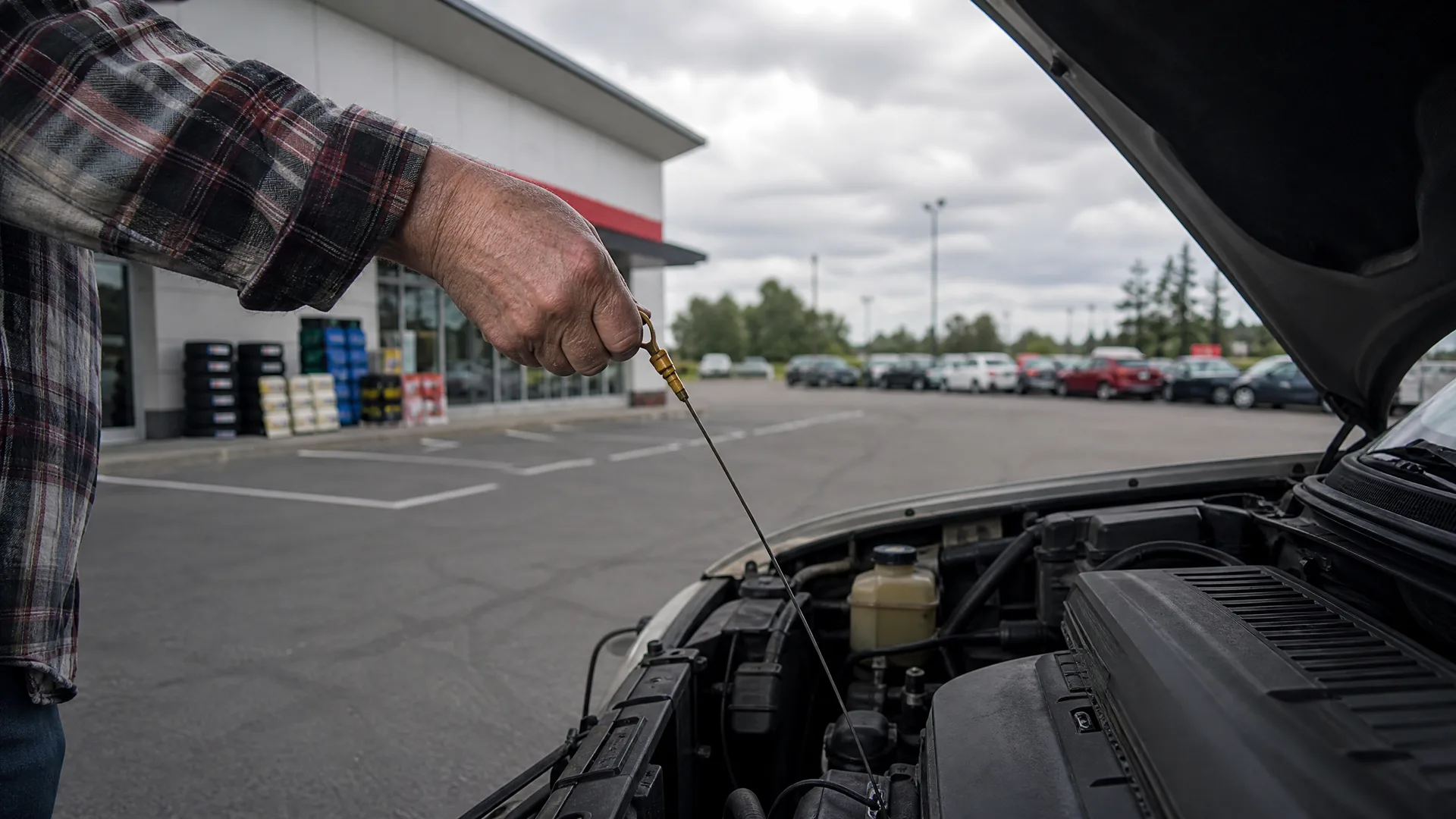
It can be, but it depends on the car's maintenance history and what shape it's in now. Have it inspected before a long trip, especially the tires, brakes, and fluids, and address anything that's borderline rather than hoping it holds. If the car has needed frequent repairs recently, that's a sign shipping might be the safer choice.
If you decide to drive, make sure your coverage is actually set up for the move before you go.
Call your insurer this week and tell them about the move, even if you haven't picked shipping or driving yet. Ask what changes about your coverage if you drive through or into a new state, and what changes if the car sits with a shipper instead. If you're driving, get the car inspected and get a shipping quote anyway so you have real numbers to compare, not guesses. If you're shipping, ask the company for their insurance certificate and read the deductible before you book. Either way, take photos of the car's current condition so there's no dispute later about what happened on the trip.