Parking Options When You Move Into a Condo
Where your car will park at the new condo matters to your insurer, so find out before moving day.
Ask the condo association, not your insurer, where you'll park
The condo association or building management sets the parking rules, whether that's an assigned spot, a shared lot, a garage, or street parking only. Your insurer just wants to know which of those it is, because where a car sits overnight affects the risk of theft, vandalism, and weather damage.
Once you know your parking situation, you tell your insurer so your policy reflects it. Get this wrong and you could end up with a policy that doesn't match how you actually park, which can be a problem if you ever file a claim.

Covered parking versus street parking changes your rate
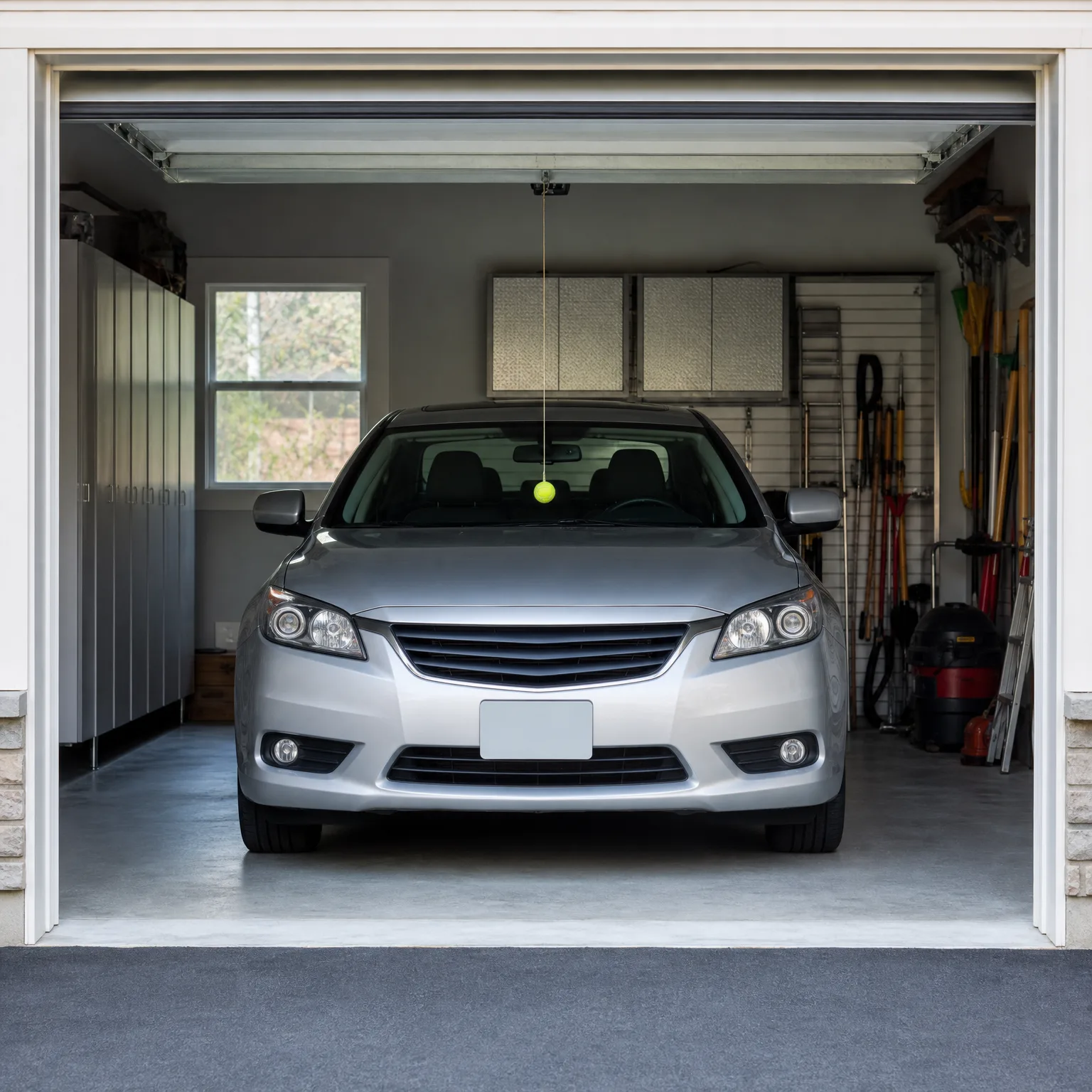
A garage or a covered, gated spot is generally treated as lower risk than an open lot or the street, because the car is more protected from theft and weather. If your new condo comes with a garage spot or an assigned covered space, tell your insurer. It may lower your comprehensive coverage cost.
If you're moving from a house with a driveway to a condo with only street parking, expect the opposite. Ask your insurer directly how the change affects your comprehensive premium rather than assuming it stays the same.
Some condo buildings have a mix: a few covered spots assigned by lease or purchase, and overflow street parking for everyone else. Find out which one applies to your unit specifically, not just what the building offers in general.
If parking is shared and not assigned, your car may not always park in the same spot. Mention this to your insurer too, since it's different from having one dedicated space.

Your condo's address is what goes on the policy, not just the parking type
Insurers price a policy partly on where the car is garaged, meaning the ZIP code and neighborhood, not only whether the spot is covered. Moving to a new condo almost always means updating the garaging address on your policy, even if the parking setup seems similar to your old place.
This is a separate step from telling your insurer about the parking type itself. Both pieces of information matter, and leaving either one outdated is the more common mistake than having the wrong parking type on file.
If the condo is in a different city or state than where you lived before, check with your insurer about whether your coverage carries over the same way. Rules and required coverages are set by the state, so confirm this directly rather than assuming nothing changes.
Questions people ask about this
Do I need to tell my insurer I moved if I'm not changing cars?
Yes. Your insurer needs your current address and where the car is parked overnight, regardless of whether you changed vehicles. This is separate from any change in your driving record or the car itself.
Does a condo parking garage count as covered parking for insurance?
Usually, if it has a roof and walls or is otherwise enclosed, it counts as covered parking. An open-air carport or an uncovered assigned spot in a lot typically doesn't. Ask your insurer how they classify the specific setup at your building if you're not sure.
What if my condo doesn't come with a parking spot at all?
Then you'll likely be parking on the street or in a public lot, and you should tell your insurer that's the case. Check with the condo association or your city about any permits required for street parking in the area.
Can my condo association require a certain type of insurance for my parking spot?
Some associations have rules about liability coverage if you're parking in a shared garage or lot they maintain. Ask the condo association directly what, if anything, they require, since this is separate from your state's minimum car insurance law.
Will my insurance rate change just from moving to a condo in the same city?
It can, even within the same city, because insurers price by specific address and ZIP code. Ask your insurer to confirm your new rate once you give them the condo's address rather than assuming it stays the same as your old one.
Once you know how and where you'll park, compare quotes to see how it affects your rate.

Before you move, find out exactly what parking comes with your unit, whether that's an assigned garage spot, a shared lot, or street parking only. Get this in writing from the condo association or in your lease or purchase agreement if you can. Then call your insurer with your new address and a clear description of the parking setup so they can update your policy before moving day, not after. If street parking is your only option, ask your insurer how that affects your comprehensive coverage and ask the city or condo association about any permits you'll need. Keep the old policy details on hand for comparison in case your rate changes and you want to ask why.