What Proof of Address Can I Use for Car Insurance
A current bill, lease, or official letter with your name and address usually works, but your insurer decides exactly what it will accept.
Most insurers want a recent, official document with your name and address on it
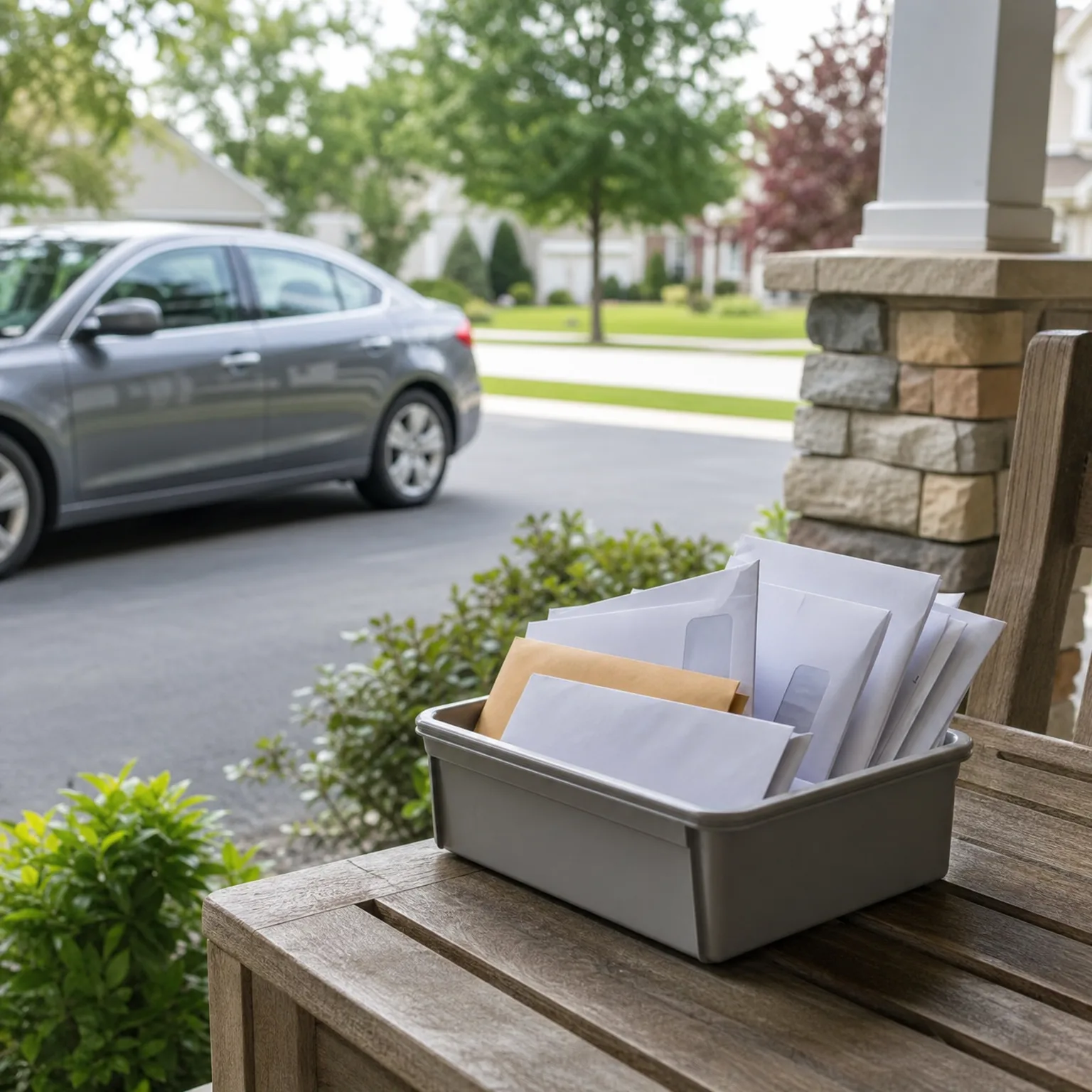
A utility bill, a bank or credit card statement, a lease, or a piece of mail from a government agency will usually satisfy an insurer asking for proof of address. The document needs to be recent and it needs to show your name, not just a household member's name.
What counts can vary by insurer, so the safest move is to ask yours directly what they'll accept before you send anything. Some will take a photo of a piece of mail. Others want a specific form or a copy uploaded through their website or app.
Why your insurer is asking matters
Insurers ask for proof of address for a few different reasons, and the reason affects what they'll accept. Sometimes it's routine, confirming the address you gave matches where the car is actually kept and garaged. Other times it's because something didn't match up, like a license with an old address or a payment method registered somewhere else.
If you recently moved, the request is often just about updating your file correctly. In that case, a lease, a mortgage statement, or a change of address confirmation from the post office tends to work well because it directly shows the move.
If the request came out of nowhere, it's worth asking your insurer what triggered it. Knowing the reason tells you whether they need proof of your new address, proof you still live where you said, or something else entirely.
Either way, don't guess. Ask what document they need and in what form, because sending the wrong thing just means doing it twice.
Your state's rules are separate from your insurer's rules
The DMV and your insurance company are not the same audience, and they don't always want the same proof. A document that satisfies your state's address requirement for your license or registration might not be what your insurer asks for, and the reverse is also true.
If you're dealing with both at once, such as after a move, handle them separately. Confirm with your state's licensing agency what it requires to update your address on your license or registration, since that's set state by state and isn't the same everywhere.
Then check with your insurer independently about what it needs to update your policy. Mailing one document to one place doesn't automatically update the other.
Questions people ask about this
Can I use my driver's license as proof of address for car insurance?
It depends on your insurer. Some will accept a license if the address on it is current and matches what you've told them, but others want a separate document like a bill or bank statement because a license can be outdated. Ask your insurer directly rather than assuming it will work.
What happens if I don't have any mail in my name?
Tell your insurer this directly, since they often have an alternative for people in this situation, such as someone living with family or in a shared household. Options can include a letter from the person whose name is on the lease or utility account, or a bank statement if you have your own account. Ask what they'll accept before assuming you're stuck.
Does my proof of address need to match my car's garaging address exactly?
Usually yes, because insurers price your policy partly based on where the car is regularly kept. If your mailing address and garaging address are different, such as a seasonal home or a car kept at a family member's house, say so upfront rather than letting the proof of address imply something that isn't accurate.
Can I send a digital copy of my bill instead of a paper one?
Most insurers accept a screenshot or PDF of a digital statement, as long as it clearly shows your name, address, and a recent date. Check with your insurer about the file format and whether they need it uploaded through a portal, app, or email.
Will my insurance be canceled if I can't provide proof of address in time?
This depends entirely on your insurer and the reason they asked. Some set a deadline and will cancel or non-renew if you miss it, others are more flexible if you're in touch with them. If you're having trouble gathering the right document, contact your insurer before any deadline passes and explain the situation.
If a new policy is asking for proof you don't have yet, it's worth seeing what other insurers expect before you commit to one.
Call or message your insurer and ask exactly what document they'll accept and how they want it sent, rather than guessing. If you've moved recently, gather your lease, mortgage statement, or a change of address confirmation first, since these tend to be accepted everywhere. Keep your DMV or state licensing update separate from your insurance update, since they're handled by different offices with different requirements. If you don't have a bill or lease in your name, ask your insurer about alternatives before the deadline they've given you passes. Once your address is confirmed and updated, double check that it matches both where you live and where the car is actually kept.