How to Get Car Insurance Without a Permanent Address
You can get covered without a permanent address, but you'll need some other address the insurer can use, and that choice affects your rate.
Yes, you can get insured without a permanent address
An insurer needs an address to write your policy, but it doesn't have to be a home you own or rent long term. A relative's address, a friend's address, a P.O. box paired with a physical address, or the address of wherever your car is mostly kept and parked overnight can all work, depending on the insurer.
What the insurer actually cares about is where your car sits most nights, because that's what they use to set your rate and to know which state's rules apply to your policy. If you can give them that, the lack of a permanent address of your own usually isn't a dealbreaker.
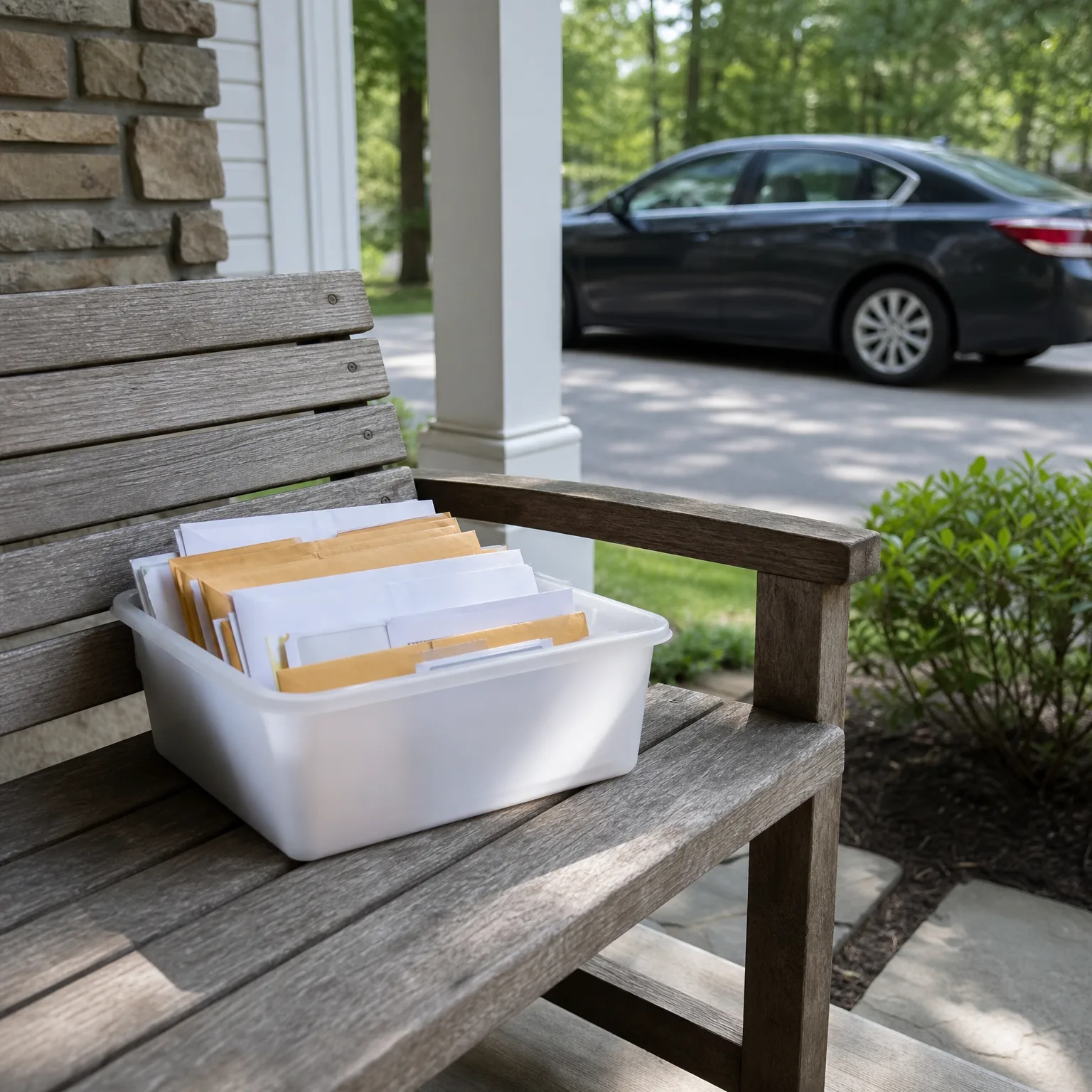
The address you give determines your rate and which state insures you
Car insurance is priced and regulated by state, so the address you give tells the insurer which state's laws, minimums, and rates apply to you. If you give an address in a different state than where you actually keep the car, that's a problem, not just a formality. Insurers can cancel a policy or deny a claim if they find out the car is garaged somewhere other than what you told them.
If you're staying with family or splitting time between two states, use the address where your car actually spends most nights. That's the one that should go on the application, even if your mail goes somewhere else.
If you're between permanent homes but still in the same state, this is usually simple. Give the insurer whatever address reflects where the car is kept, and ask them directly whether a secondary address or a P.O. box can be listed for billing and mail. Some insurers handle this differently than others, so ask before you assume.
What trips people up is mixing up a mailing address with a garaging address
A lot of people assume any address, like a P.O. box or a relative's house in another city, will satisfy the insurer. It won't, if that's not actually where the car stays. Insurers separate the two: where your mail goes and where your car is garaged are different fields on the application, and only one of them determines your rate.
If you're living out of a vehicle, moving between short-term rentals, or staying with different family members throughout the year, tell the insurer the truth about where the car is parked most nights, even if that changes. Being upfront about an unusual living situation is safer than guessing wrong and having a claim denied later because the garaging address didn't match reality.
If your situation is genuinely unsettled, with no fixed city at all, ask the insurer how they handle that. Some are set up for it and some aren't, and that's worth knowing before you pick one.
Questions people ask about this
Can I use a PO box for car insurance?
A P.O. box usually can't be your only address on file, because insurers need a physical garaging address for your car. Some insurers will accept a P.O. box for mail as long as you also give them the physical address where the car is kept. Ask the insurer directly how they want it listed.
Can I register a car without a permanent address?
Vehicle registration rules are set by each state's DMV, not by insurers, and they vary on what address proof they'll accept. Some states allow a relative's address or other documentation if you don't have a lease or deed in your name. Check with your state's DMV for what they'll accept before you try to register.
What if my car is insured in one state but I'm living in another?
If you've moved and the car is now kept in a different state than the one on your policy, you need to update your insurer, not wait it out. Driving on a policy that lists the wrong state can affect a claim if the insurer finds out the car was garaged elsewhere. Call your insurer and ask what they need to update it.
Does my address affect how much I pay for car insurance?
Yes, the address where your car is garaged is one of the things insurers use to set your premium, because it reflects local accident rates, theft rates, and claim costs. Two people with identical driving records can pay different amounts because of where their car is kept. This is a separate factor from your mailing address.
Can I switch my car insurance address if I move again soon?
Yes, you can update your garaging address any time your situation changes, and most insurers expect you to. If you know you'll be moving again soon, ask the insurer how the update process works and whether it affects your rate right away or at renewal.
See what it takes to get covered in your situation before you commit to one insurer.
Figure out which address you'll actually give the insurer, the one where your car is kept most nights, before you start getting quotes. Have some way to document that address if asked, even if it's a relative's house or a temporary living arrangement. Call a couple of insurers directly and ask how they handle applicants without a permanent address, since this varies by company. If you're also dealing with vehicle registration, check your state DMV's website for what address proof they require, since that's separate from what your insurer needs. Once you know an insurer will work with your situation, get a quote from them and compare it against at least one other before deciding.