Should You Keep Your Car in Assisted Living
It depends less on the move itself and more on whether the car still gets driven, and by whom.
Usually only if the car is still being driven regularly
If the move to assisted living means driving has stopped or nearly stopped, keeping the car registered and insured at the same level rarely makes sense. Most policies price heavily on how much a car is actually driven, and a car sitting unused in a lot is paying for coverage it doesn't need.
If the resident still drives sometimes, or a family member drives the car on their behalf, keeping it insured can still make sense. The right answer depends on who is behind the wheel, how often, and whether the facility allows residents to keep a vehicle on site at all.

Who actually drives the car now
If the resident has stopped driving, the car's value to the household depends entirely on whether someone else uses it. A family member who visits often and runs errands in it is a different situation than a car parked for weeks between visits.
If no one is driving it regularly, call the insurer and ask about reducing coverage rather than canceling it outright. Dropping liability coverage entirely can create a lapse that costs more to fix later if the car gets insured again.
If someone other than the original policyholder is going to drive the car regularly, they usually need to be added to the policy. An insurer that finds out after a claim that the main driver wasn't listed can deny the claim or raise the rate sharply.
Ask the facility directly whether residents are allowed to keep a car on the property, and whether there's secure, monitored parking. Some facilities don't allow it at all, which settles the question before insurance even comes into it.
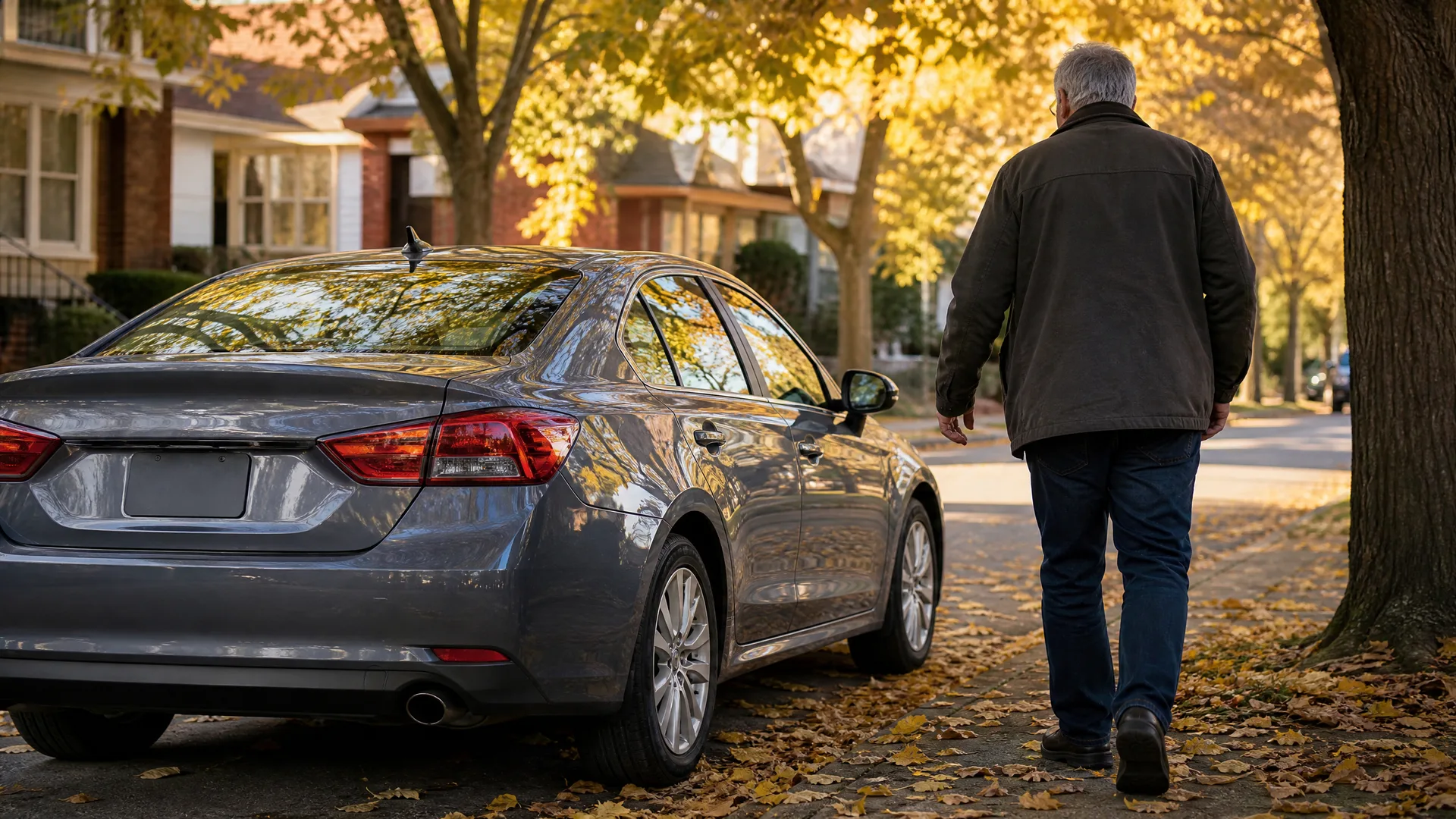
What a parked, unused car still costs
A car that isn't being driven still needs some coverage if it's going to sit on a lot or in a garage. Comprehensive coverage, which handles theft, fire, weather damage and vandalism, is usually worth keeping even when liability and collision aren't.
Dropping all coverage to save money can backfire. Many states require a car to carry at least some insurance to stay legally registered, and letting registration lapse creates its own paperwork and fees when the car is eventually sold or re-registered.
If the car won't be driven for an extended period, ask the insurer about a reduced-use or storage policy. Not every insurer offers this, and the rules for how long a car can go unused before registration or insurance lapses vary by state, so check with the state's motor vehicle agency as well.
Selling the car outright is often simpler than maintaining a policy on a vehicle no one drives. If the family is unsure whether driving will resume, keeping comprehensive coverage for a defined period before deciding to sell is a reasonable middle step.
Questions people ask about this
Does assisted living affect car insurance rates?
The move itself doesn't change a rate, but what it changes about driving habits can. An insurer prices a policy based on how the car is used, so a big drop in mileage or a change in who's driving is worth reporting, since it can lower the premium rather than raise it.
Can a family member insure a parent's car for them?
Usually yes, but the parent typically still needs to be on the policy as the owner, or the title needs to be transferred to the family member first. The exact requirement depends on the insurer and the state, so ask the insurer directly how they want ownership and primary driver listed.
What happens to a car's insurance if the owner moves to a nursing home?
Nothing happens automatically. The policy stays in force at whatever coverage level was last set, which means the family needs to actively call the insurer to adjust or cancel it. An unused car with full coverage simply keeps costing the same until someone changes it.
Should an elderly parent's car be sold before moving to assisted living?
It depends on whether anyone in the family plans to keep driving it. If no one will use the car regularly, selling it usually costs less over time than maintaining insurance and registration on a vehicle that sits unused.
Is it cheaper to suspend car insurance than cancel it?
That depends entirely on the insurer and the state. Some allow a reduced-coverage or storage option that keeps the policy active at a lower cost, while others treat any change as a full cancellation. Ask the insurer what options they offer before assuming either one is cheaper.
Compare quotes to see what keeping, reducing, or dropping coverage would actually cost for this car.
Start by finding out whether the facility allows a resident to keep a car on site, since that settles half the question immediately. Then call the current insurer and describe exactly who will be driving the car and how often, and ask what coverage changes are available, including any reduced-use or storage option. If a family member will be the main driver going forward, ask what's needed to add them to the policy or transfer the title. If the answer is that no one will drive it, get a payoff or trade-in estimate this week before paying for another full renewal cycle.