How to Learn the Roads in a New Town
The safest way to learn a new town is slowly, at quiet times, before you need to drive it under pressure.
Drive the easy routes first, at easy times
Start with the trips you'll make most often, like the route to the pharmacy or your doctor's office, and drive them once or twice before you actually need to be somewhere on time. Go midday, when there's less traffic and no school buses or rush hour to deal with.
This works because the goal isn't to know the whole town. It's to know your own few routes well enough that you're not reading street signs and watching traffic at the same time. Once those routes feel familiar, the rest of the town gets easier to add in.
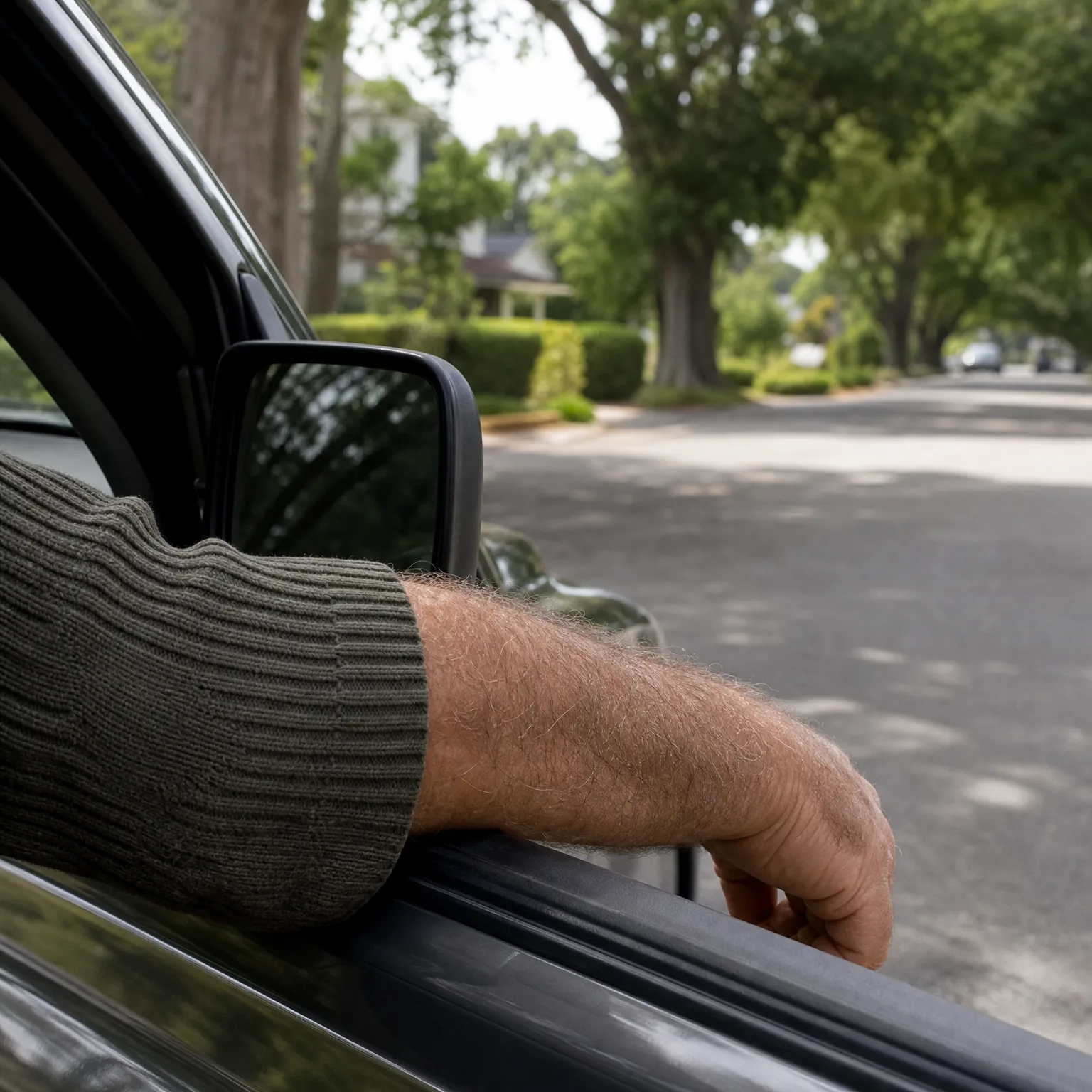
Your eyes and your reaction time matter more than your memory
A new town asks a lot of your eyes at once. Signs you've never seen, lanes that merge in unfamiliar ways, a traffic light pattern you don't know yet. For an older driver, the harder part usually isn't remembering the route. It's processing all of that new information quickly enough to react.
That's a reason to drive new areas in daylight, when you can see farther ahead and spot a turn lane or a merge before you're on top of it. If your vision has changed at all since your last check, get it tested before you start exploring. A lot of the stress of new roads comes from not seeing a sign until it's too late to react calmly.
It also helps to drive with someone else in the car the first few times, not to take over, but to read signs and call out turns so you can keep your attention on the road itself.
If a particular kind of intersection or interchange gives you trouble, that's worth noticing. You can plan routes that avoid it until it feels more familiar, rather than forcing yourself through it on a day you're already busy or stressed.
Your insurance follows your address, not your comfort with the roads
Moving to a new town changes your insurance in a way that has nothing to do with how well you know the streets. Your rate is based partly on where you live, so a move means your insurer needs your new address on file. This isn't optional and it isn't about proving anything to them. It's how your policy stays accurate.
Call your insurer as soon as you have a new address, even before you've learned your way around. If you don't update it, a claim could be handled differently than you expect, since the policy is written for your old location.
If you've also changed how often or how far you drive, for example because the new town puts you closer to things you used to drive farther for, mention that too. It can change your policy in your favor, but only if your insurer knows about it.
None of this is about your driving ability. It's paperwork that needs to match reality, and it's worth doing in the first week rather than letting it sit.
Questions people ask about this
How long does it take to feel comfortable driving in a new town?
It depends on how often you drive and how different the town is from where you lived before. Most people notice a real difference after a few weeks of regular driving on the same routes. It helps to be patient with yourself during that stretch rather than expecting to feel at ease right away.
Should I take a driving refresher course after moving to a new town?
A refresher course can be useful if you want structured practice with things like merging, roundabouts, or reading unfamiliar signs, but it isn't required just because you moved. Check with your insurer first, since some offer a benefit for completing one, though you'd need to send them proof yourself.
Does my insurance rate change when I move to a new town?
It can, because location is one of the things insurers use to set your rate. Whether it goes up or down depends on the specific area and your insurer's own rules, so the only way to know is to ask them directly once your address changes.
What's the best way to practice driving in an unfamiliar area?
Drive the route once as a passenger or with someone familiar with it before you drive it yourself, if that's possible. Otherwise, pick a quiet time of day for your first few trips and stick to one or two routes until they feel familiar before branching out.
Do I need to tell the DMV when I move to a new town?
Most states require you to update your address with the DMV within a set window after a move, though the exact rule and timeframe depends on your state. Check your state DMV's website to confirm what's required and by when.
See how a change of address could affect what you pay before you renew.
Call your insurer this week and give them your new address, even if you haven't finished unpacking. Ask directly whether your rate changes because of the move and what else they need from you. If you plan to take a defensive driving or refresher course, ask now whether it qualifies for any adjustment, since you'll likely need to send proof yourself. In the meantime, pick the two or three routes you'll drive most often and practice them at a quiet time of day before you need them for something time-sensitive. If your vision hasn't been checked recently, get that done too, since it matters more on unfamiliar roads than on routes you already know by heart.