How to Find a Mechanic in a New Town
Ask your new insurer and your old mechanic for names before you ask strangers, and check reviews that mention the same kind of repair you need.
Start with people who already have a reason to know
Call the shop that serviced your car before you moved. Mechanics often know other shops in the area, sometimes through parts suppliers or trade associations, and they have no reason to steer you wrong.
Your insurer is another good source. Many keep a list of shops they work with regularly for claims, and a shop that deals with insurance companies often is used to doing the paperwork correctly and explaining repairs in plain terms.
What kind of mechanic you actually need
A general repair shop and a dealership service department aren't the same thing, and neither is the right answer for everything. Dealerships tend to know your specific make well and may be required for certain warranty work. Independent shops are often less expensive and more flexible about scheduling.
If your car is still under warranty, check what the warranty requires before you choose. Some warranties only require you to use a certified mechanic, not the dealership itself, but the manufacturer's rules control that, not the shop.
If you need something specific, like transmission work or bodywork after an accident, look for a shop that specializes in that repair rather than a general garage. Specialty shops see that problem more often and usually have the right equipment on hand.
Write down what the car has needed in the past. A new mechanic can do a better job if they know the history instead of starting from nothing.
How to tell a good shop from a bad one before you're stuck there
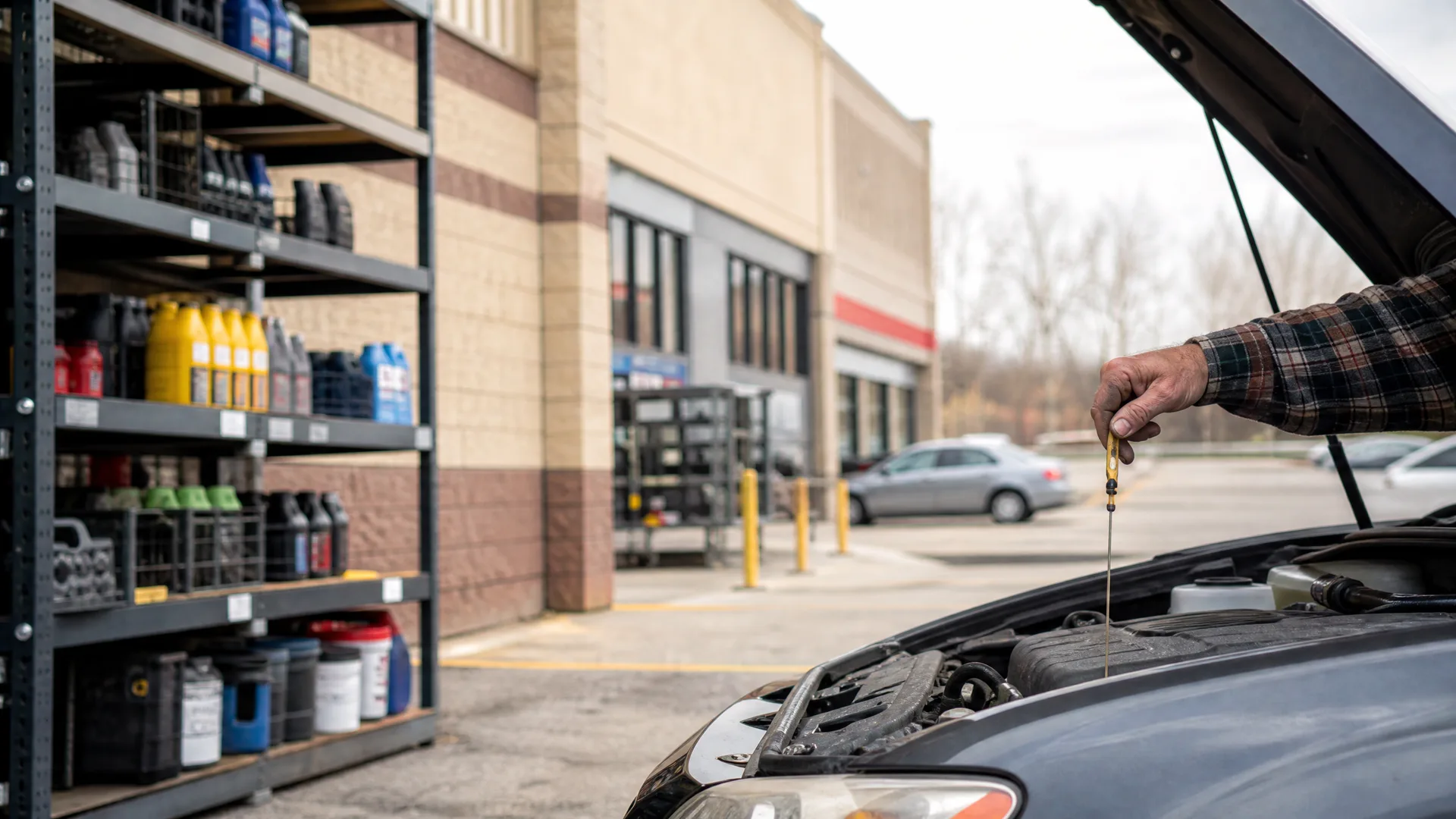
Reviews are a start, but read past the star rating. Look for reviews that describe a repair similar to what you need, and notice whether the shop's response to a bad review sounds reasonable or defensive.
Call ahead and ask a few plain questions. Do they give written estimates before starting work. Do they explain what they found and why a repair is needed. A shop that answers clearly on the phone usually treats you the same way in person.
Check whether the shop is certified by a recognized automotive organization. Certification isn't required to do good work, but it does mean the mechanics have been tested on specific skills.
Ask about warranties on parts and labor. A shop confident in its work will stand behind it for some period of time, and most reputable shops will tell you this without being asked.
Questions people ask about this
How do I know if a mechanic is overcharging me?
Compare the estimate to a second opinion from another shop before you agree to the work. Ask the shop to itemize parts and labor separately rather than giving one lump number. If a repair seems unusually expensive, ask what specifically makes it more involved than a standard job.
Should I use the dealership or an independent shop for a repair?
It depends on what the repair is and whether your car is still under warranty. Dealerships often charge more but specialize in your exact make. Independent shops can be less expensive and are often just as capable for routine maintenance and common repairs.
What should I bring to a new mechanic for the first visit?
Bring any service records you have, even if they're incomplete. Mention recent repairs, any warning lights, and anything that feels off about how the car drives. The more a new mechanic knows upfront, the less time they spend diagnosing from scratch.
Does my car insurance cover mechanic recommendations or repair costs?
Insurance generally doesn't pay for routine maintenance or mechanical breakdowns, only repairs tied to a covered claim like an accident. Many insurers do keep lists of shops they've worked with, so it's worth asking your insurer even if the repair itself isn't covered.
How often should I switch mechanics after moving?
not used
While you're settling into a new area, it's a good time to see whether your car insurance still fits where you live now.
This week, call the shop that serviced your car before the move and ask if they know a trustworthy mechanic near your new home. Ask your insurer whether they have a list of shops they work with in your area. Pick two or three candidates, call each one, and ask how they handle estimates and warranties on their work. Keep your service records handy so whoever you choose can see the car's history. Once you've settled on a shop, update your insurer with your new address if you haven't already, since that can affect your premium.