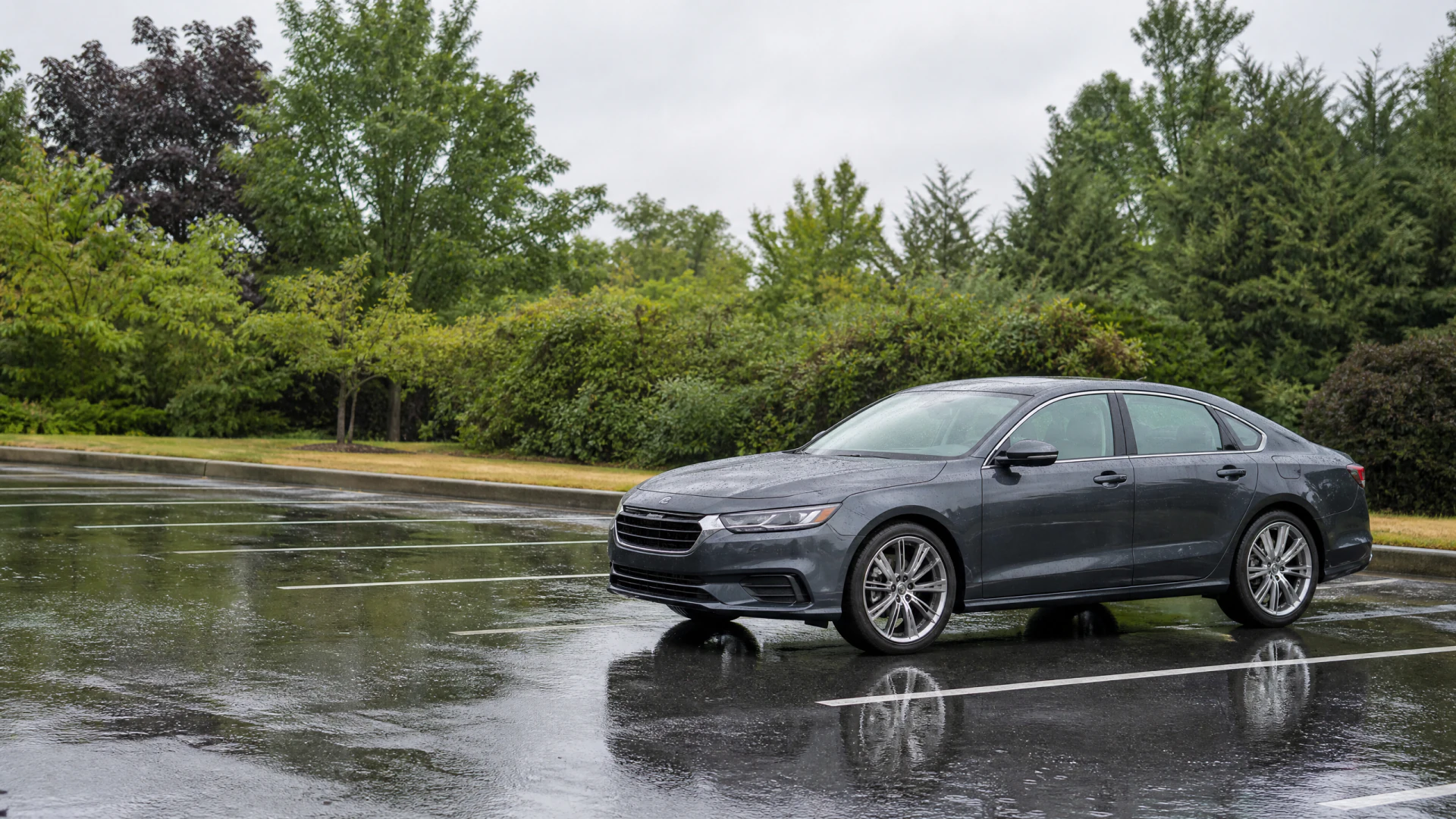
Car Insurance in Popular Retirement Destinations
Moving to a popular retirement area changes your insurance because of the state and the traffic there, not because retirees live there.
It depends on where you move, not that retirees move there
A retirement destination doesn't come with its own insurance rules or its own rate. What changes your premium is the state you move to, the city or county within it, and the roads you'll be driving. Some of these places have more congestion, more tourists, more uninsured drivers, or weather that raises claims. Others don't.
So the honest answer is that you need to look at the specific place, not the category. A beach town in Florida and a desert city in Arizona are both common retirement spots, but they don't carry the same risks or the same state insurance rules. Check the place, not the reputation.
The state you're moving to sets the baseline
Every state sets its own minimum coverage requirements, and some require coverage types others don't, like personal injury protection. That alone can change what you're required to carry and what it costs to carry it.
States also differ in how insurers are allowed to use age when setting rates. In some states, insurers can factor in age as a driver gets older. In others, that's restricted. You won't know which rules apply until you know the exact state, so if you're deciding between a few places, that's worth checking state by state.
Local claim patterns matter too. A place with more severe weather, more theft, or a higher rate of accidents will generally push rates up for everyone who insures there, regardless of age. A quieter area with less traffic tends to do the opposite.
If you're relocating, ask your current insurer whether they write policies in the new state, and get a sense of their rates there before you move, not after.
Your driving record and car travel with you, the location doesn't erase them
A clean driving record still counts for something no matter where you move. Insurers in a new state will still look at your history, and a long record with no accidents or violations works in your favor just as it did before.
The car you bring matters as much as the place you bring it to. An older paid-off car, a newer model, a car with safety features, all of that still factors into your rate the same way it did in your last state.
If you're keeping the same car and the same habits, moving to a busier retirement destination with more traffic can still raise your rate even if your record is spotless. The place adds its own risk on top of whatever you bring with you.
It's worth asking a potential insurer in the new area how they weigh your out-of-state record. Most will use it, but how much weight it carries is up to them.
Questions people ask about this
Does my insurance transfer when I move to a different state?
No, you'll need a new policy written for the state you move to. Insurance is regulated state by state, so even if you stay with the same company, they'll issue a new policy with that state's required coverage and its own rates.
Will my rate go up if I move somewhere with more tourists or seasonal traffic?
It can, because more traffic generally means more accidents, and insurers price for that. Ask a local agent or check with insurers who write policies in that specific area, since the effect varies by how busy the roads actually are.
Should I switch insurers when I relocate or keep my current one?
That depends on whether your current insurer writes policies in the new state and how their rates there compare. It's worth getting quotes from a few insurers in the new location before deciding, since no single company is cheapest everywhere.
Does my age affect my rate differently in a new state?
It can, since states have different rules about how insurers may use a driver's age in setting rates. Ask any insurer you're considering in the new state directly how age factors into their pricing there.
Do I need to update my coverage limits when I move?
You should review them, since minimum requirements and recommended coverage vary by state. What satisfied the law in your old state might not meet the requirements in your new one, so check the new state's minimums before your policy starts.
See what car insurance actually costs in the area you're considering before you commit to it.

Before you move, get quotes from a few insurers who write policies in the specific city or county you're considering, not just the state. Have your driving record, your current policy, and the car you plan to keep on hand when you ask. Ask each insurer directly how they handle your age and your out-of-state history, since that varies by company. Check the new state's minimum coverage requirements so you know what you're required to carry. If your current insurer operates in the new state, ask them for a rate there before you decide whether to switch.