Car Insurance After Moving to Wilmington, NC
Moving to Wilmington means switching to a North Carolina policy, and what you paid before won't tell you much about what you'll pay now.
You need a North Carolina policy, and the rate will reset
When you move to Wilmington, you need a car insurance policy that meets North Carolina's requirements, not your old state's. North Carolina sets its own minimum coverage amounts and its own rules for what counts as proof of insurance, so a policy written for Ohio or Florida or wherever you came from won't automatically carry over.
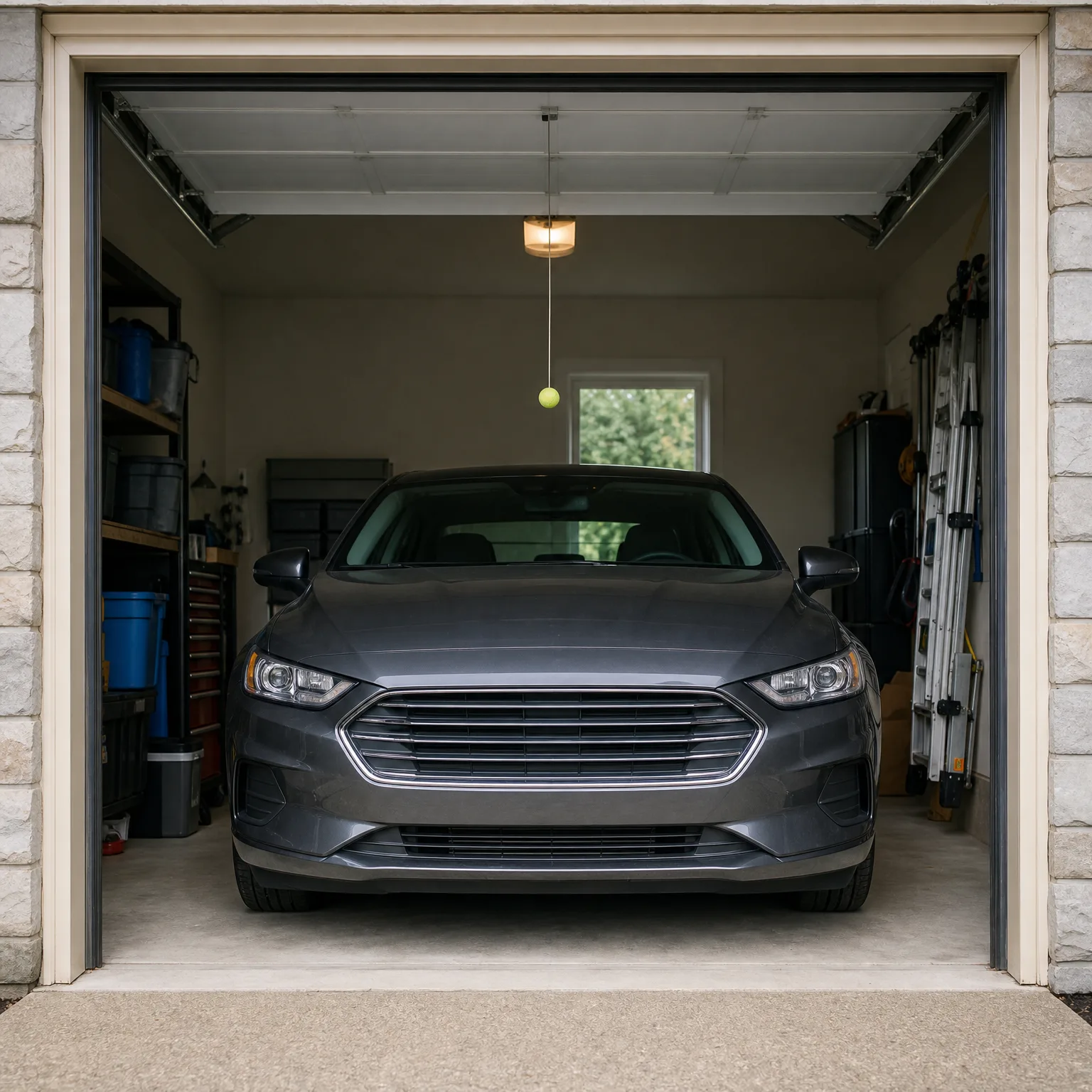
Your rate will likely change too. Insurers price coverage based on where the car is garaged, and that means local accident rates, theft rates, and weather risk in and around Wilmington. None of that has anything to do with your driving record, which still follows you. What you paid before is not a reliable guide to what you'll pay now.
Your old policy has a clock on it
Most insurers give you a window after you move to get a new policy in place, but that window is set by your insurer and by North Carolina law, not by when you feel like dealing with it. Driving on an out of state policy past that point can leave you unregistered and uninsured in the eyes of the state, even if your old policy is technically still active.
The first thing to do is call your current insurer and ask directly whether they write policies in North Carolina. Some national insurers will simply transfer your policy and adjust the rate for your new address. Others don't operate in the state at all, and you'll need a new policy from scratch.
Either way, you'll need to register your car in North Carolina, and the state will ask for proof of insurance that meets its own requirements before it issues plates. Lining up the policy first saves you a second trip to the DMV.
What your new rate actually depends on
Wilmington is a different place to insure a car than wherever you moved from, and the details that matter are local. Your insurer will look at things like how often cars are stolen or broken into in your specific neighborhood, how common accidents are on the roads you'll actually drive, and whether the area sees weather that damages parked cars, since coastal North Carolina gets hurricane season in a way most inland cities don't.
Your driving record still matters as much as it ever did. A clean record and a long history of coverage without a lapse will work in your favor no matter where you live. What changes is the baseline those things get measured against.
It's worth asking any insurer you're considering what discounts apply to someone your age, since some are tied to things like a defensive driving course or a low annual mileage, and those aren't automatic. You have to ask and usually have to provide documentation.
Questions people ask about this
How long do I have to get North Carolina car insurance after moving?
North Carolina sets a deadline for this, and it's tied to when you register your vehicle in the state. Check with the North Carolina DMV directly for the exact timeframe, since driving past it without updated coverage can affect your registration standing.
Do I need to change my driver's license before I change my car insurance?
Most insurers will write or transfer a policy before you've updated your license, as long as the car is garaged in North Carolina. That said, North Carolina also requires new residents to get a state license within a set period, so it's worth handling both soon after you move.
Will my accident history from another state follow me to North Carolina?
Yes. Insurers pull your driving and claims history from a shared record that isn't tied to any one state, so accidents, tickets, and claims from where you used to live will still show up. A clean record helps you anywhere you move.
Can I keep my old state's insurance if I'm only in Wilmington part of the year?
This depends on where your car is actually garaged most of the year, which is what insurers and the state look at, not just where you're registered to vote or pay taxes. If Wilmington is where the car sits most of the time, ask your insurer and the North Carolina DMV how they classify your situation before assuming your old policy is enough.
Does North Carolina require anything different for older drivers specifically?
Licensing renewal requirements, like vision tests or how often you need to renew in person, are set by the state and can differ from where you used to live. Check with the North Carolina DMV for the current rules rather than assuming your old state's requirements still apply.
See what a North Carolina policy would actually cost you before your old one lapses.
Call your current insurer this week and ask plainly whether they write policies in North Carolina, and if so, what changes about your rate and coverage. If they don't, start gathering quotes from insurers that do business in Wilmington, and have your driving history, current policy details, and new address ready when you do. Register your car with the North Carolina DMV only after your new policy is active, since you'll need proof of coverage to complete that step. If you're also updating your driver's license, ask the DMV at the same time what their renewal rules involve, since vision tests and renewal intervals vary by state. Don't let your old policy lapse before the new one is confirmed and in writing.