Is Car Insurance Different for Part Time Residents
Insurers price your policy by where you mainly live, not by how many states you spend time in.
Yes, because insurance follows your main residence
Your car insurance is written against one address, the place you live most of the year and keep your car most of the time. If you split your year between two states, your policy still has to name one of them as your primary residence, and that choice affects your rate, your coverage options, and which state's minimum requirements apply to you.
This isn't a matter of choosing whichever state is cheaper. Insurers and state regulators expect your policy address to match where your car is actually garaged most of the year. If that changes, your policy may need to change with it.
Where your car spends most of its time
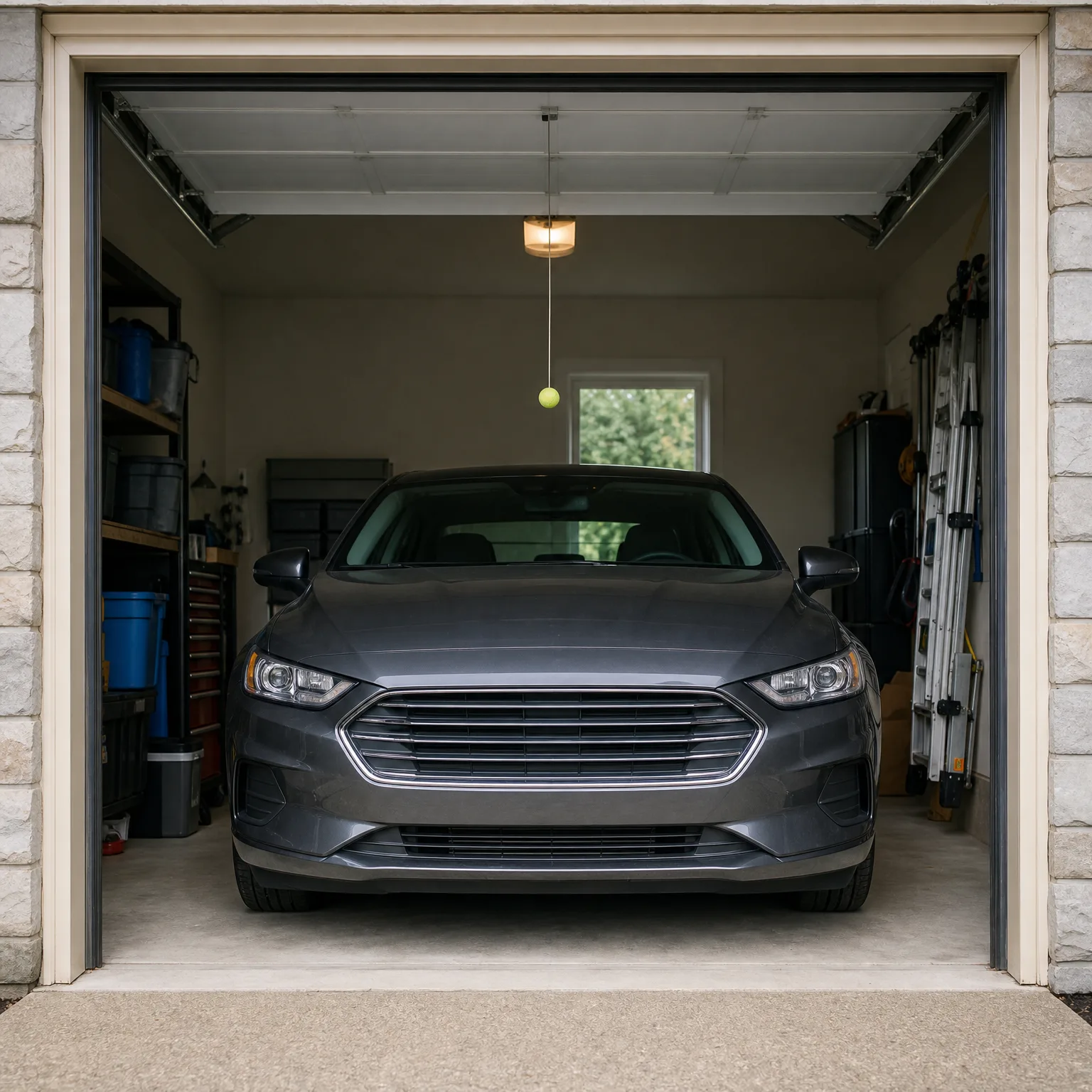
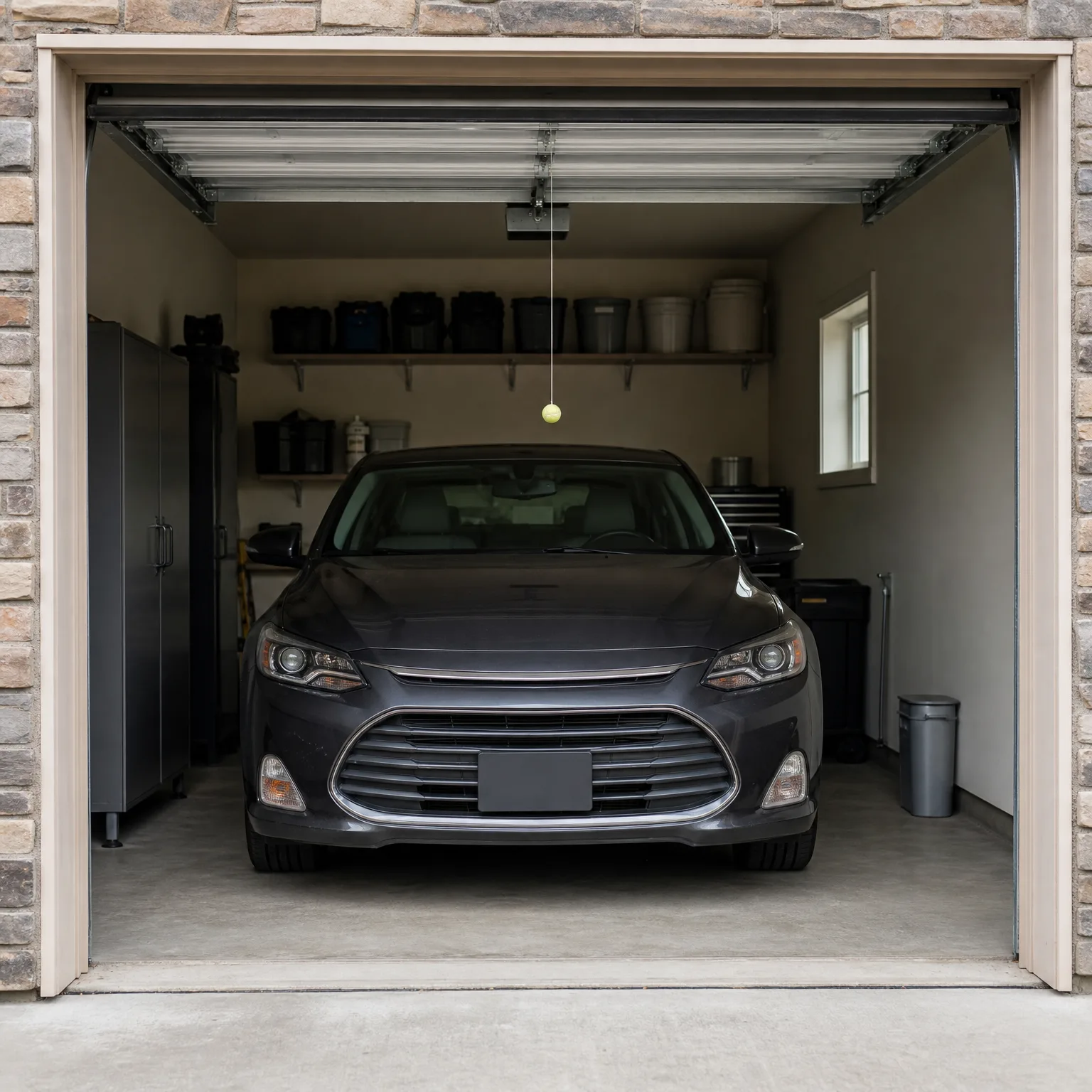
Insurers base your rate partly on the place your car is parked overnight most often, called the garaging address. If you spend part of the year in a second home, the car you drive there should usually be insured at that address, not your main one, especially if it stays there for months at a time.
This matters because rates, required coverage, and even what counts as full coverage vary by state. A car garaged in a state with higher theft rates or higher minimum liability limits will usually cost more to insure there, regardless of what your home state charges.
If you bring the same car back and forth between two residences, tell your insurer. Some will ask which state the car is in for more of the year and set the garaging address accordingly. Others may require a separate policy if the car is away for an extended stretch each year.
If you own a second car that stays permanently at the part-time residence, that car likely needs its own policy written in that state, separate from the one covering your main vehicle at home.
How your state defines residency for insurance
Each state sets its own rule for how long you can stay before you're expected to register a vehicle and carry insurance there. This is separate from tax residency or voter registration, and the threshold is not the same everywhere.
If you cross into the time period your part-time state considers you a resident, you may be required to title and insure your car there, even if your driver's license is still from your home state. Check with the state's DMV or insurance department for its specific rule, since this is set by each state individually.
Your insurer also needs to know which state you consider your legal home for the policy, since that determines your minimum coverage requirements and what your policy will pay out if you're in an accident in either state.
If you're not sure which state counts as your residence for insurance purposes, ask your agent directly. Guessing wrong can leave you with a policy that doesn't meet the legal requirements of the state you're actually in when something happens.
Questions people ask about this
Can I use one car insurance policy for two homes in different states?
Sometimes, if the same car travels with you and your insurer is licensed to write policies in both states. Ask your insurer whether they operate in both states and whether they'll adjust your garaging address when you move the car rather than requiring two separate policies.
Do I need to change my driver's license if I live part time in another state?
This depends on the state's residency rules, not on your insurance policy. Some states require a new license once you stay past a certain point in the year. Check with the DMV in your part-time state, since the license requirement and the insurance requirement aren't always triggered by the same thing.
Will my insurance cover an accident in my second state?
Most policies cover you anywhere in the country, but the coverage limits that apply may be set by your home state's policy, not the state where the accident happens. Confirm with your insurer how out-of-state accidents are handled under your specific policy.
What happens if I don't tell my insurer about my second residence?
If your insurer later finds out your car was garaged somewhere other than what's listed on your policy, they can deny a claim or cancel your coverage. Keeping your garaging address current is something you're responsible for, not something the insurer tracks on their own.
Does owning property in another state make me a resident there for insurance?
Owning property alone usually isn't enough. Insurers and states generally look at where you spend most of your time and where your car is kept, not just where you hold a deed. Ask your insurer what proof of residence they require if you're unsure how your situation will be classified.
See what a policy built around your actual living situation would cost.
Call your current insurer and tell them exactly how your year splits between the two residences, including which address your car is garaged at most. Ask directly whether your policy needs to change, and whether you need a second policy for a car that stays at the other home. Check your part-time state's DMV website for its residency threshold, since that determines whether you'll eventually need to register and insure a vehicle there. Keep any documents that show your main address, like a lease, mortgage statement, or utility bill, in case your insurer asks you to confirm where you primarily live. If you're genuinely unsure which state counts as your residence, ask the agent directly rather than guessing, since getting it wrong can affect whether a claim gets paid.