Does Moving to a Hurricane State Raise Car Insurance
Insurers in hurricane states price in storm and flood risk, so your premium is likely to go up when you move.
Yes, moving to a hurricane state usually raises your premium
Your rate is based partly on where your car is parked overnight, and insurers track which areas get hit by named storms, flooding, and wind damage. A state that sees regular hurricane activity carries more of that risk, and your premium reflects it.
How much it moves depends on the specific state, the county, and sometimes how close you are to the coast. An insurer in one state may weigh hurricane risk differently than an insurer in another, so the only way to know your real number is to get quotes once you have an address.
Whether you carry comprehensive coverage
Hurricane damage, wind, flying debris, flooding, falling trees, is covered under comprehensive coverage, not liability. If your current policy only carries the state minimum, moving to a hurricane state is a good reason to add comprehensive if you haven't already.
Some lenders require comprehensive on a financed or leased car no matter where you live, so this may not be optional for you. Either way, comprehensive is the part of your policy that hurricane risk actually affects, and it's worth asking your new insurer to walk through what it does and doesn't cover during a storm.
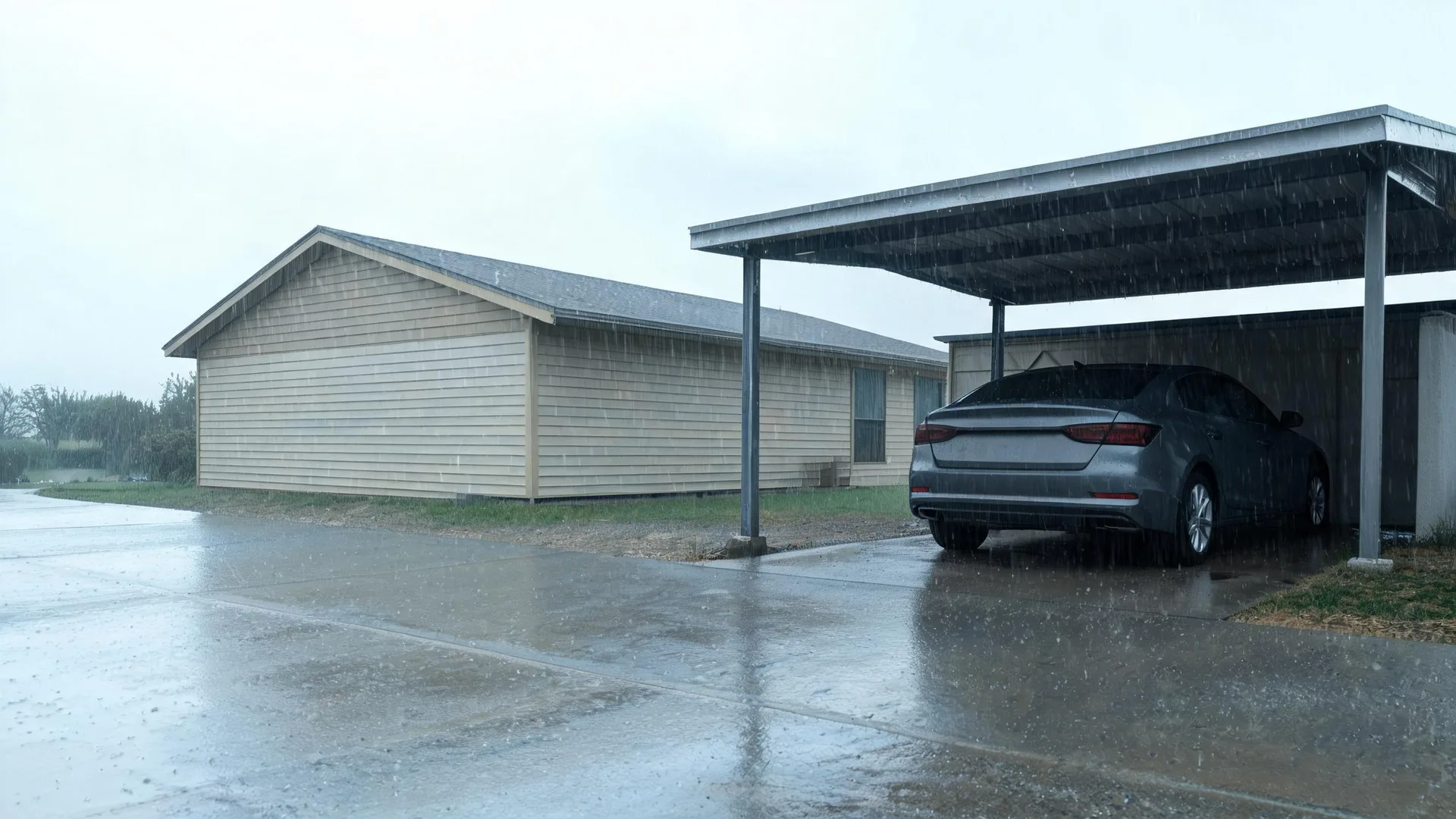
If you're storing the car somewhere protected, a garage or a covered structure, mention that too. Some insurers ask where the car is kept overnight and may adjust accordingly.
The specific county you're moving to
Hurricane risk isn't priced evenly across a state. A coastal county with a history of direct hits will carry a different rate than an inland county in the same state that rarely sees more than heavy rain.
This is worth checking before you sign a lease or buy a house, not after. Ask an agent what the rate looks like for the exact zip code, since two addresses twenty miles apart can carry noticeably different premiums.
Flood zone designation matters too. A home or parking location in a federally designated flood zone can affect both your home and auto costs, and it's tied to the address, not the state.
Questions people ask about this
Does my car insurance cover hurricane damage automatically?
No, only if you carry comprehensive coverage. Liability-only policies don't pay for wind, flood, or storm damage to your own car. Check your declarations page to see which coverages you currently have before you move.
Can I switch my car insurance before I move to a hurricane state?
You can shop for quotes before you move, but your new rate typically takes effect once you have an address in the new state. Insurers price based on where the car is actually garaged, so get quotes for the specific address you're moving to, not just the state in general.
Will my insurer drop me if I move to a high hurricane risk area?
Some insurers limit how much new business they write in high-risk coastal areas, and this varies by company and by state. Ask any insurer you're considering whether they're currently writing new policies in your specific county before you count on them.
Does evacuating for a hurricane affect my car insurance?
Evacuating itself doesn't affect your policy. What matters is whether your car is damaged during the storm and whether you have comprehensive coverage to file a claim. Keep your policy documents accessible if you evacuate, since you may need them to file quickly.
Is flood damage from a hurricane treated differently than wind damage?
Under most auto policies, no, both fall under comprehensive coverage. The distinction matters more for home insurance, where flood often requires a separate policy. For your car, ask your insurer directly to confirm flood is included in your comprehensive coverage.
See how a hurricane-prone address changes your quote before you commit to a move.
Find out the exact county and zip code you're moving to before you request quotes, since hurricane risk is priced down to the address, not just the state. Call your current insurer first and ask if they write policies in your new state, since staying with the same company can sometimes simplify the switch. If you don't currently carry comprehensive coverage, ask what it costs to add it, since that's the part of your policy hurricane risk affects most. Get quotes from a few insurers for the specific address, not a general estimate for the state. Ask each one directly whether they're writing new policies in your county, since some insurers pull back from high-risk coastal areas.