Do I Need to Tell My Car Insurance if I Move House
Your address is part of what sets your rate, so your insurer needs the new one as soon as you have it.
Yes, you need to tell your insurer
Your policy is tied to the address on file. When you move, that address changes the risk your insurer is pricing, so they need to know.
This holds whether you're moving across town or across the state. A different street can mean different crime rates, different weather exposure, different repair costs. A different state can mean a different set of rules entirely.
It doesn't matter if the move feels small. The obligation is the same whether you're going two miles or two hundred.

Whether you're staying in the same state
Moving within your state is usually a straightforward update. Your insurer adjusts your rate based on the new address and your coverage carries forward with little disruption.
Moving to a different state is bigger. Insurance is regulated by each state, and not every insurer writes policies everywhere. If your company doesn't operate in the state you're moving to, you'll need a new policy with a different insurer.
Each state also sets its own minimum coverage requirements. What satisfied the law where you lived may not satisfy it where you're going. Your new state's rules decide this, not your current insurer.
Check with your insurer as soon as you know your new address, even before you move, so you know whether your coverage will transfer or whether you need to start shopping.
What happens if you don't update it
An outdated address can affect a claim. If your insurer finds out after an accident that you'd moved and hadn't told them, they may treat that as misrepresentation, since your address is something they used to set your premium.
It can also mean you're paying the wrong rate. If you moved somewhere less risky and never said anything, you could be overpaying. If you moved somewhere that costs more to insure, your insurer may eventually catch it through records or a renewal review and adjust your rate retroactively.
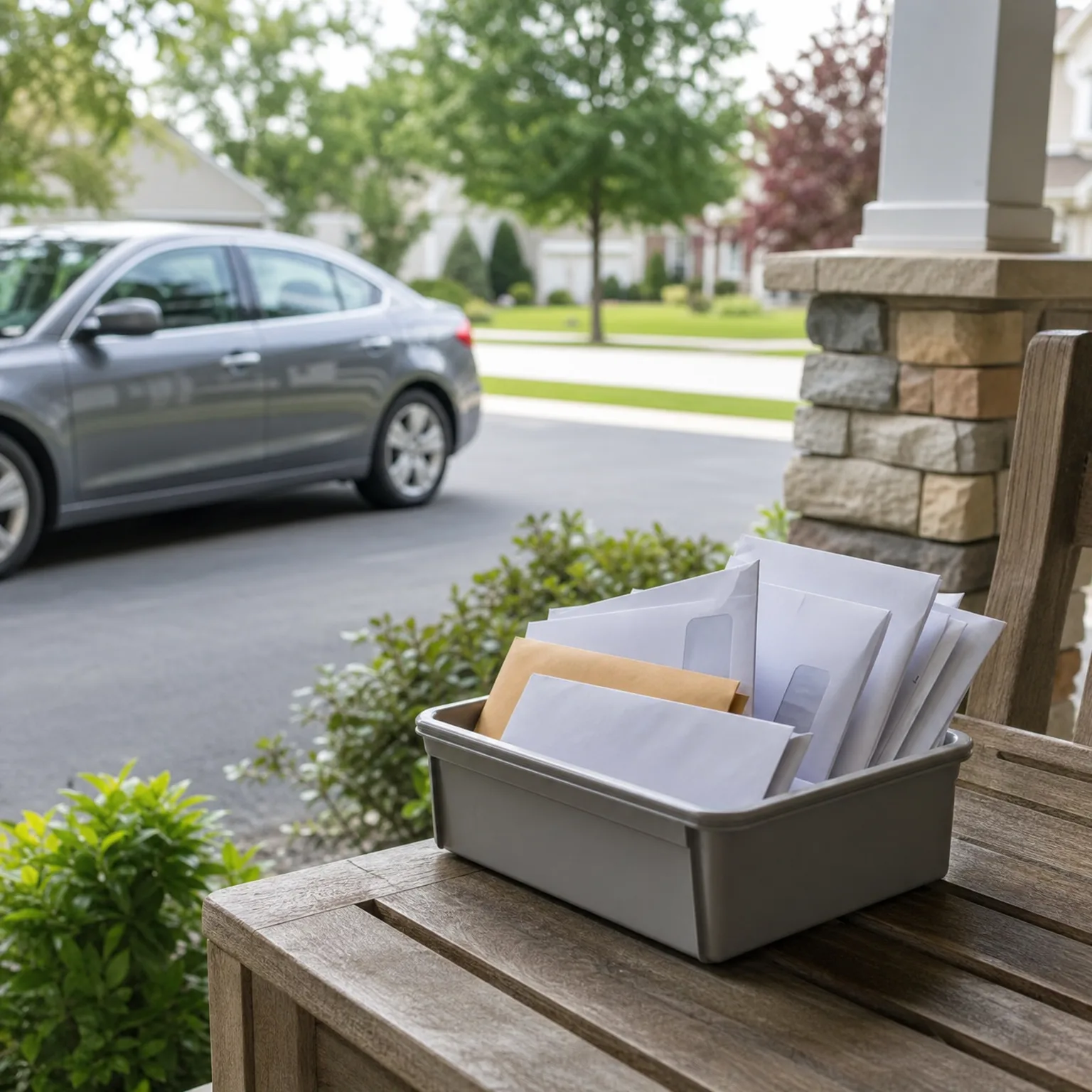
Mail matters too. Renewal notices, declaration pages, and any letter about a change to your policy go to the address on file. If that address is wrong, you may miss something important.
Telling your insurer is a short phone call or a quick update online. There's little upside to waiting.
Questions people ask about this
Does my car insurance automatically update when I change my address with the DMV?
No, these are separate systems. Updating your address with the DMV does not tell your insurance company anything. You need to contact your insurer directly, even if you've already handled the DMV paperwork.
Will my car insurance go up if I move?
It depends on where you're moving to and how that location compares to your old one. Your insurer prices risk based partly on where the car is kept, so a move can raise or lower your premium. Ask your insurer for a quote on the new address before you move if you want to know ahead of time.
What if I move temporarily, like for work or school?
Tell your insurer even if the move is temporary. Some policies account for a secondary address or garaging location, and your insurer can tell you whether that applies to your situation. Not saying anything risks the same problems as a permanent move you never reported.
Can I keep my old car insurance company after moving to a new state?
Only if that company writes policies in your new state. Ask them directly. If they don't operate there, you'll need to find a new insurer before your move, since you can't legally drive uninsured once you're in the new state.
Do I need to tell my insurer if I move but keep my car registered at my old address?
Yes. Insurers base your rate on where the car is actually kept and driven, not just where it's registered. Keeping an old address on file to avoid a rate change can be considered misrepresentation if your insurer finds out.
See how a change of address could affect what you pay before you make the call.

Have your new address ready along with your move date, and call your insurer or log into your account this week to update it. Ask directly whether your rate will change and whether your current coverage meets the requirements where you're moving. If you're crossing state lines, ask whether your insurer writes policies there at all, and if not, start comparing new quotes before your move date. Keep a copy of any confirmation your insurer sends once the address is updated, in case a question comes up later.