Buying a Car When Moving to a New State
You can buy a car before or after you move, but your new state's rules on titling, registration, and insurance will catch up with you fast.
Where you buy the car matters less than where you register it
You can buy a car in your old state or your new one. What matters is that once you've moved, you'll need to title and register it where you actually live, usually within a set window after your move. The dealer or seller doesn't decide that. Your new state's DMV does.
Insurance follows the same pattern. Your policy needs to match the state where the car is garaged and where you're licensed. If you buy before the move, tell your insurer the car will be living in a new state soon. If you buy after, get insurance set up there first, since most dealers won't let you drive off without proof of coverage that's valid where you're registering.
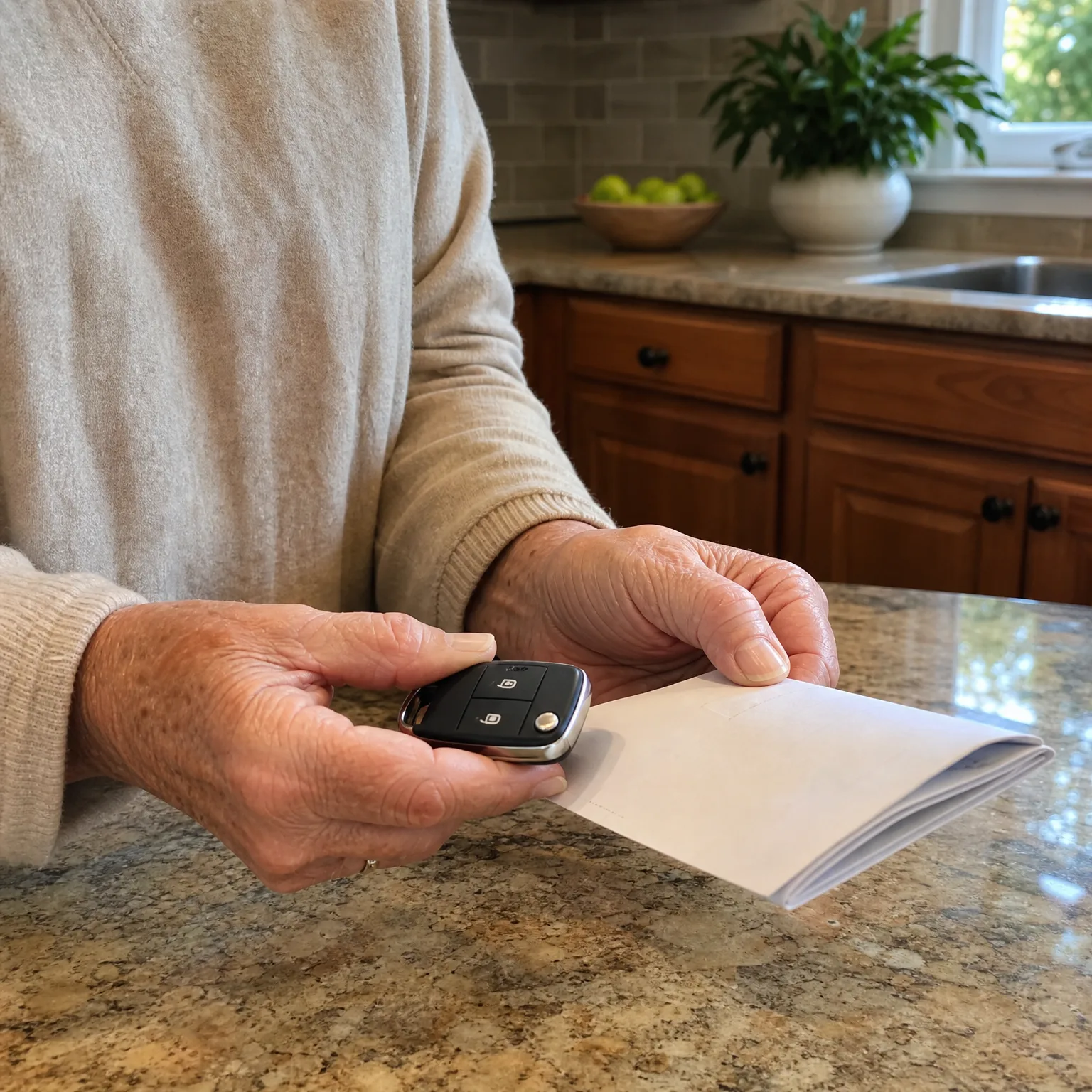
Your state's registration deadline sets the clock
Every state gives new residents a window to title and register a vehicle after they arrive. Some count from your move-in date, others from when you bought the car. Miss it and you can end up with late fees or a lapse that complicates your registration later.
If you bought the car in your old state, you'll likely need to bring the title, a bill of sale, and proof of any loan payoff to the new state's DMV. If there's a lien on the car, your lender needs to be told about the move too, since the title work usually has to go through them.
Check your new state's DMV website before you do anything else. The paperwork list and the deadline are set by that state, not by where you bought the car or where your insurer is based.
Your insurance has to switch states too, not just addresses
A policy written for your old state doesn't automatically carry over coverage requirements, discounts, or even legality once you're a resident somewhere new. Minimum coverage limits differ by state, and so do the rules around things like uninsured motorist coverage.
If you're buying the car before you move, call your current insurer and tell them the car is moving with you. They may be able to write the policy to match your new state, or they may not operate there at all, in which case you'll need a new policy lined up before you register.
If you're buying after you arrive, get the new policy in place first. You'll need proof of insurance to register the car, and most dealers also want it before you drive off the lot.
Questions people ask about this
Do I need a new driver's license before I can register a car in my new state?
In most states, yes, you'll need to get licensed there before you can title and register a vehicle. Check your new state's DMV for the exact order they want things done in, since some require the license first and others let you register with your old one temporarily.
Can I drive a car with out-of-state plates while I get everything set up?
Usually for a limited time, but it depends on the state. Some allow a grace period after you move in, others expect registration almost immediately. Confirm the exact rule with your new state's DMV so you're not driving on expired plates without realizing it.
Will my car insurance rate change just because I moved to a new state?
It can, because rates are based partly on where the car is garaged and that state's own insurance laws and typical claim costs. Ask your insurer for a quote based on your new address as soon as you know it, rather than assuming your old rate carries over.
Do I need a vehicle inspection or emissions test in my new state?
Many states require one before you can register a car, especially if you're bringing it in from somewhere that didn't. Check your new state's DMV site for whether an inspection is required and where you can get one done.
What happens if I don't register the car in time after moving?
You risk fines, and in some states your registration can lapse in a way that affects your insurance too. The deadline and penalty are set by the state, so check your new state's DMV for the exact window and what happens if you miss it.
See what coverage looks like in your new state before you commit to a policy.

Find out your new state's deadline for titling and registering a vehicle after a move, and make a list of what paperwork they want. If you haven't bought the car yet, get insurance quotes based on your new address first, since that's the state your coverage needs to match. If you already own the car, call your current insurer and tell them about the move so they can tell you whether your policy transfers or needs to be replaced. Either way, have your title, proof of residency, and loan information ready before you go to the DMV, since missing paperwork is the most common reason these visits take more than one trip.